

25 Words Destroying the Planet
We're still getting communication badly wrong

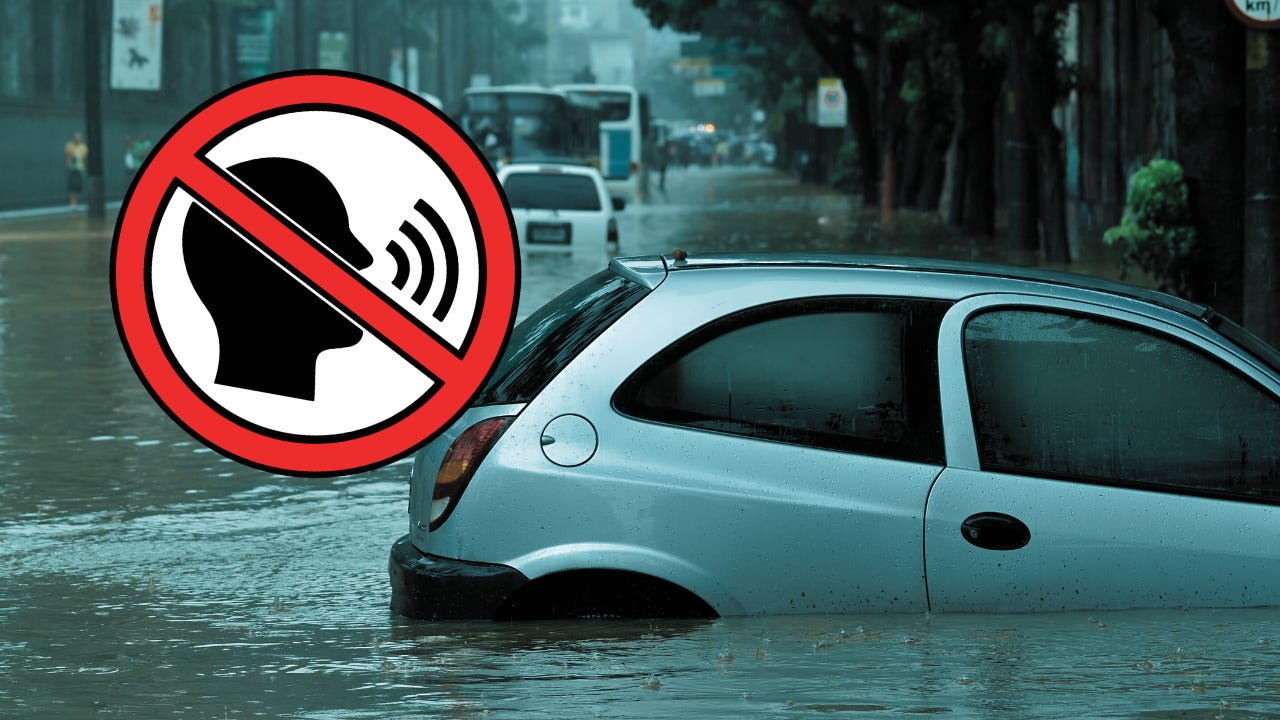
The words we use to talk about the most important issue of our time, might be the very reason nobody’s listening.
Well, not nobody, but certainly not nearly enough people are engaged with the climate and nature emergencies, which are already affecting the health and wealth of everyone and everything on the planet.
Words matter. And even staples like climate, environment and sustainability are killing progress.
Please watch the video - I’d be grateful if you could also subscribe - and then we’ll look at the issues in more detail….
Change Language Or We’re Doomed
Communication of the perils facing planet Earth is still - STILL - not landing in sufficient numbers - and that puts the natural world, and all of us crisis-denying humans, at existential risk.
To communicate that better - it looks like we’re screwed unless we change our ways really, really quickly.
As a journalist myself, my job has been to communicate often complex information in a form that can be understood by an audience of all educational abilities and levels of knowledge.
In short, keep it simple. Then dive in deeper. That’s what this very article does.
In January 2025, I wrote an article here which garnered a lot of feedback, and it urged people to stop talking so much about climate change, when talking about climate change.
Now that Ethical Disruption is also a video channel, I’m back on the subject with further thinking, updated reports and the YouTube explanation of the 25 words and phrases that really ought to be replaced, or at the very least explained better, to get more people onside with reality.
Why Don’t People Engage With Scientific Language?
Judging by recent surveys, most people seem to accept that climate change is real, and want action taken to tackle it. But huge proportions don't feel any urgency about it.
That gap between belief and understanding - and between concern and action - is a failure of communication.
The 2024 Peoples’ Climate Vote, by the United Nations Development Programme (UNDP), was the world’s largest standalone survey on climate change, covering 77 countries representing 87% of the global population.
It found that 56% of people think about climate change daily or weekly, and 53% were more worried about it than a year earlier.
For the biggest, most worrying story in the world (yes, it will prove even more damaging than wars), these aren’t great figures.
Four out of five people globally do want their governments to take stronger climate action, more encouragingly, but it’s interesting the break that down into countries: 91% of Chinese respondents, 73% of Britons, 70% of Europeans and just 60% of Americans.
People listen to politicians over scientists when it comes to climate change. That depressing reality was confirmed in a study published in the journal BioScience in early 2026.
Researchers from Michigan State University and the University of Oregon took the world scientists’ 2024 State of the Climate Report: Perilous Times on Planet Earth, one of the most urgent and compelling climate documents produced in recent years, and tested whether exposure to its language genuinely moved readers.
The short answer was: not really.
If the most authoritative voices in climate science are struggling to reach people through their words, what does that tell us about the words - and the whole approach to communication - that the environmental movement has been relying on?
Back in 2002, Republican strategist Frank Luntz advised President Bush to swap “global warming” for the “less frightening” and “less emotional” term “climate change” - a deliberate attempt to reduce public concern.
The green movement fought back by escalating the language. In 2019, The Guardian instructed its reporters to use “climate crisis” or “climate emergency” - a year after campaigning group Extinction Rebellion was formed, its name a direct pointer to what lay ahead.
But research suggests that neither the escalators or de-escalators really won.
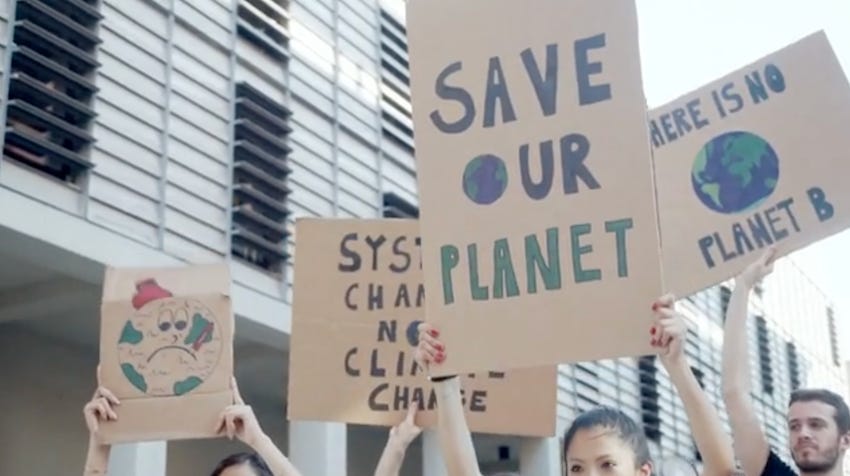
We now have more scientific evidence, more data, more alarming reports than at any point in human history. We have documentaries, summits, school strikes, and even celebrities shouting from the rooftops.
But if we keep talking to people in a language they don’t speak, the message won’t land. And it isn’t landing.
So first, let’s go through those 25 very commonly-used words and phrases that I believe are getting in the way, and are failing to move people. And I want to suggest something better for each one.
Because the goal isn’t to be scientifically correct. The goal is to be understood. Only then will action and fury follow.
1 Environment
Let’s start with perhaps the biggest offender of all.
It’s so broad it means everything and nothing at the same time.
“Protect the environment” - what does that actually conjure up? Some vague sense that you should probably recycle more? Maybe don’t leave the tap running?
Try instead: The natural world. Or maybe, our surroundings.
Make it about the river near where you grew up, the park your kids play in, and the coastline you drive to in summer.
2 Climate
Another biggie. And this word has had a rough ride.
Every time it snows heavily somewhere, you can set your watch by the social media response (certain politicians included): ”Hey, so much for global warming!”
Wow. I mean. it’s frustrating, but it also tells us something we need to hear - the word ‘climate’ is not connecting.
Part of the problem is that climate refers to patterns over decades. It’s not something you can feel on your skin or see out of your window.
But, the weather is. And that’s exactly what we should be talking about more. Extreme weather.
Enough of the climate projections for the year 2100. Instead focus on the wildfires tearing through places you’ve been on holiday - even your own locality.
Or the flooding that keeps returning to towns that never used to flood. The droughts, the heatwaves arriving earlier, and lasting longer.
Climate change, at its core, is an alarming increase in extreme weather. That’s the story, so we should always lead with that.
3 Global Warming
A lot of people think being warmer doesn’t sound so bad. Nicer summers, fewer grey days, maybe the British growing their own olives. Who’s going to march in the streets against that?
So take a moment to explain what warmer actually means.
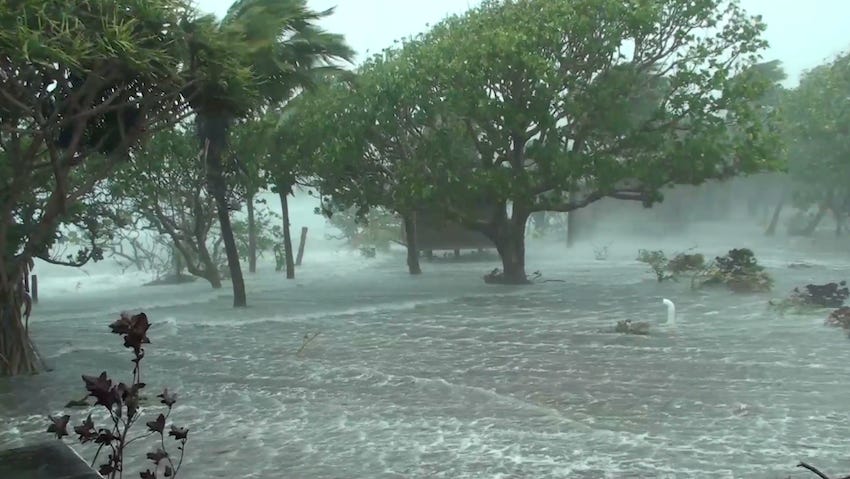
A warmer atmosphere holds more water vapour. More water vapour means heavier rainfall. That leads to flash flooding, bigger storms. more volatile, unpredictable, dangerous weather.
Warm might sound cosy, but the reality is chaos.
4 Biodiversity
This one sounds like it belongs in a school biology revision guide.
Say instead: All life on Earth. Or: The extraordinary variety of plants, animals and living things we share this planet with.
The biodiversity crisis and the climate crisis are deeply, dangerously intertwined. But it’s impossible to feel urgency about words you don’t fully understand.

5 Sustainability
One of the most overused words of the last decade. Ask 10 people what it means and you’ll probably get 10 different answers.
Say instead: Living in a way that protects our natural resources. Or: Living within our means, for the sake of the future.
6 Carbon Footprint
This one has become a political football, wrapped up in arguments about personal versus corporate responsibility.
It’s worth saying that the term was actually popularised by BP in a 2004 advertising campaign - we’ll look at that a bit later on. BP wanted to keep the focus on individuals, not corporations - but that doesn’t mean each and every one of us is excused.
Explain carbon footprint by saying: Our impact on the planet.
7 Greenhouse Gases
The greenhouse analogy actually works, because a greenhouse traps heat, which is exactly what these gases do.
But it’s better to explain that carbon dioxide, methane and nitrous oxide are heat-trapping gases.
The more we release, the more heat gets locked into the atmosphere.
8 Fossil Fuels
Not a terrible term, most people have a reasonable grasp of it.
But ‘coal, oil and gas’ is more specific, harder to dismiss, and harder to hide behind.
9 Renewable Energy
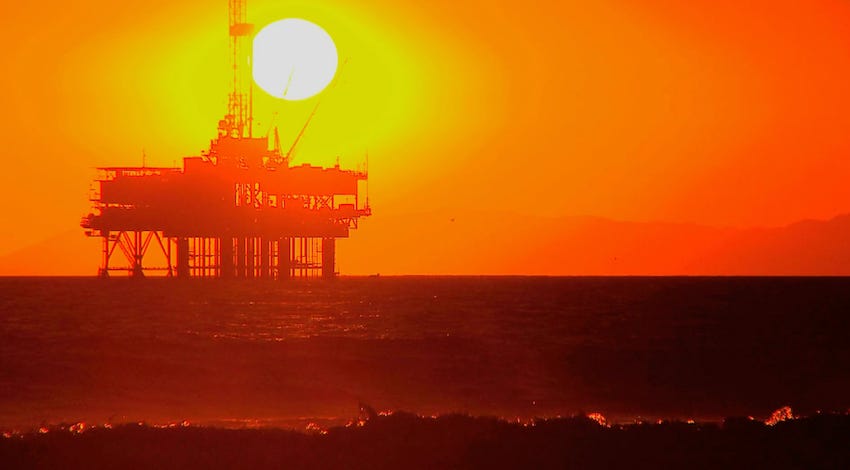
“Renewable” sounds appealing, but only if you already know what it means. Try: Endless energy sources.
Sun and wind don’t run out, and they also offer energy security - the strongest argument of all for many people, watching their bills rise on the back of the latest pointless war.
10 Net Zero
Politicians love this one, which means the public trusts it about as far as they can throw a solar panel.
What does it actually mean? It’s achieving a balance between the heat-trapping gases we release, and the amount we remove from the atmosphere.
It’s about achieving a balance, and saving lives while doing so - worth explaining…
11 Deforestation
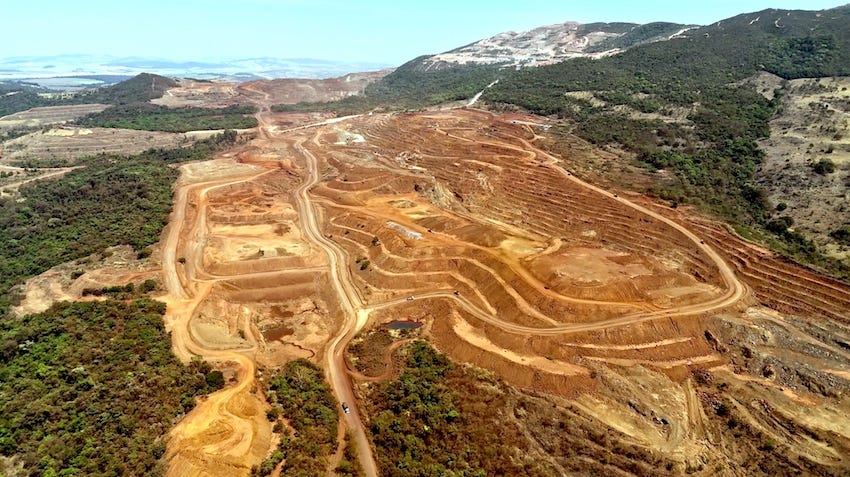
For such a devastating action, that’s emotionally vacant as a word.
Say instead: Cutting down forests, and explain that this is for animal farming, logging, and development.
And then describe what that means for wildlife, for the climate, and for the communities living alongside those forests.
12 Desertification
This sounds either like a dessert or a holiday destination. It’s neither.
It means land turning into desert because of human-caused climate change.
So explain that, because crops will fail, and communities will collapse.
13 Habitat Loss
The word “habitat” makes it feel like a David Attenborough documentary, rather than an emergency.
This is about animals losing their homes, species being wiped out, and the destruction of the natural world.
“Loss” doesn’t begin to cover that tragedy.
14 Coral Bleaching
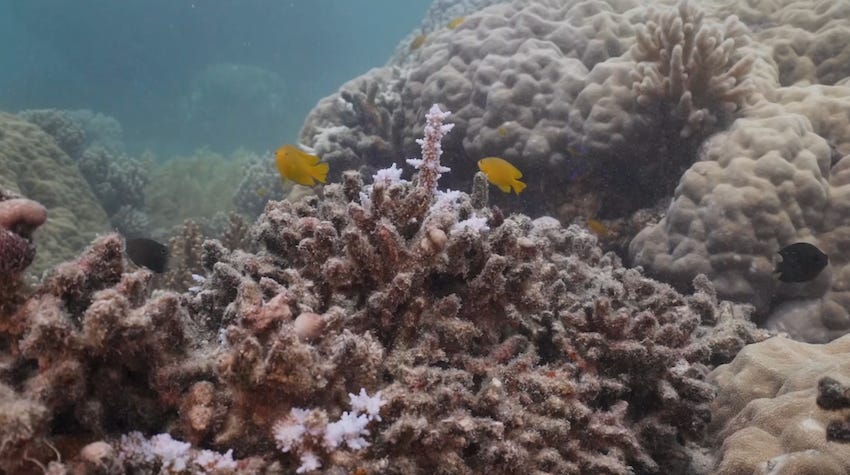
Bleaching sounds like a spa treatment - this is coral reefs dying — mostly because the water around them is getting too warm.
15 Carbon Sequestration
Nobody needs to say this. ‘Carbon capture’ is fine, but ‘storing carbon underground’ is probably better.
And distinguish between the industrial process and the natural draw-down to trees, peat bogs, mangroves and other carbon-storing natural features.
16 Bioplastics
This word sounds nearly identical to regular plastics, but these are actually plastics made from plants, so talk up the difference.
17 Just Transition
This is a fair and important concept, but it has a deeply confusing name.
This is simply about a fair shift to green jobs - making sure workers and communities aren’t abandoned as we move away from fossil fuels.
It’s about people, over policy, so lead with the people.
18 Rewilding
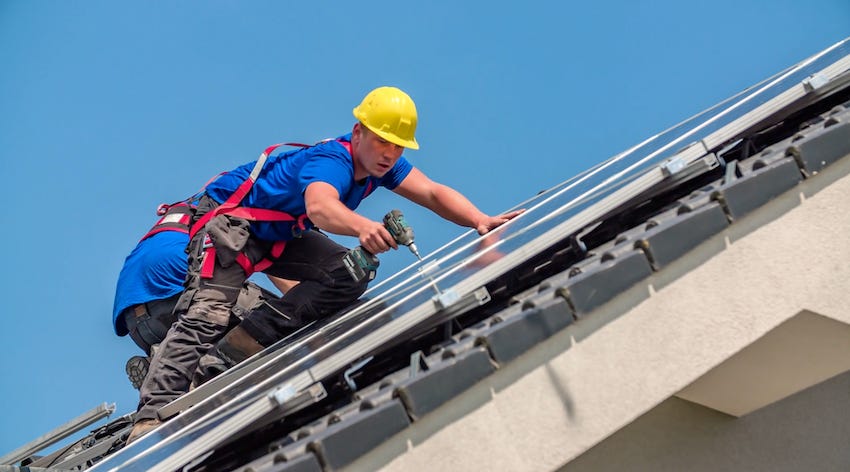
Actually, one of the better terms, though the media loves to make it sound terrifying.
Wolves! In your garden! Eating your children!
In reality, it’s simply bringing back nature, and letting ecosystems recover.
19 Circular Economy
An economic model based on reusing and reducing waste. A worthy concept, but a terrible name.
Just say: The importance of recycling and reusing everything, so nothing ends up as waste.
20 Sustainable Fashion
“Sustainable” is already vague;, and “fashion” makes it sound like it only applies to people who attend Paris runway shows.
Be more specific, say “eco-friendly clothing,” and crucially determine whether the clothing is plastic-free.
A lot of so-called sustainable fashion contains plastics like recycled polyester or elastane, which shed microplastics when you wash them, which end up in our rivers and oceans.
If something is genuinely plastic-free, say so loudly. Or go to our plastic-free clothing store!
21 Desalination
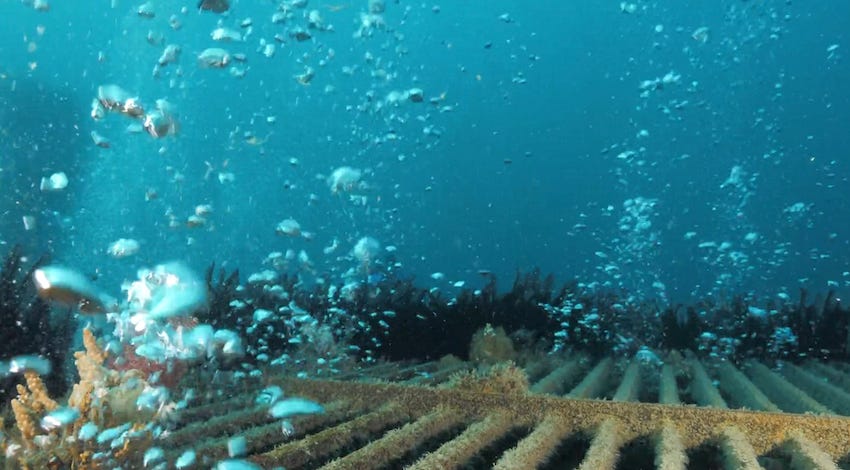
The process of removing salt from seawater to make it drinkable. It’s vitally important, but how many people know what the word means?
Don’t say ‘desalination’ without saying what it does: It makes seawater drinkable, and it could save lives in regions where clean water is running out.
22 Carbon Neutral
This means not adding more heat-trapping gases to the atmosphere, than you take away. Simple.
23 Tipping Points
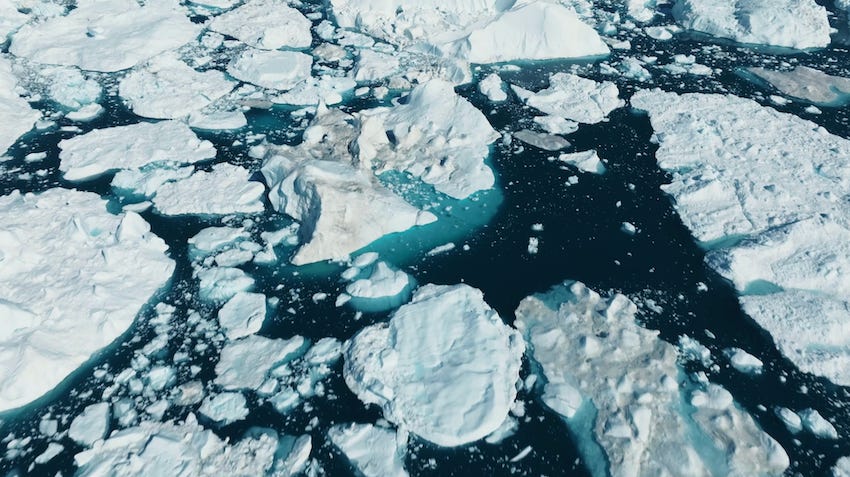
When the damage reaches a level we can no longer stop, we hit the point of no return.
The melting of the Greenland ice sheet. permafrost thaw, dieback of the Amazon rainforest, are all on the precipice.
Once you cross these lines, the consequences unfold whether we act or not.
24 Nature-Based Solutions
This is using nature to fix problems, such as planting trees, restoring wetlands and protecting coastlines. Be specific.
25 Adaptation
Say: Adjusting to changes that are already happening, and preparing for those still to come.
This is one of the most important, and underdiscussed, parts of the whole conversation.
Why Are These 25 Words and Phrases Important?
Whether you’re a teacher, a journalist, a scientist, an activist, or just someone who cares about the world you live in, the language you use is crucially important.
Using simpler words is not dumbing things down. It is the smartest thing you can do if you actually want change to happen.
Because the problem has never been a lack of evidence. It’s been a gap between the people who understand what’s happening and the people who need to.
Words can close that gap. Let’s start using better ones.
If you found this useful, share it with someone who talks about this stuff. The more of us who get this right, the better.
Next, for Ethical Disruption supporters, we go further into the psychology of why language fails, the history of how some of these terms were deliberately engineered to confuse, and what a genuinely effective communication strategy around the environmental crisis might look like….
Keep reading with a 7-day free trial
Subscribe to Ethical Disruption to keep reading this post and get 7 days of free access to the full post archives.