

Our Homes Are Being Built For a Climate That Does Not Exist

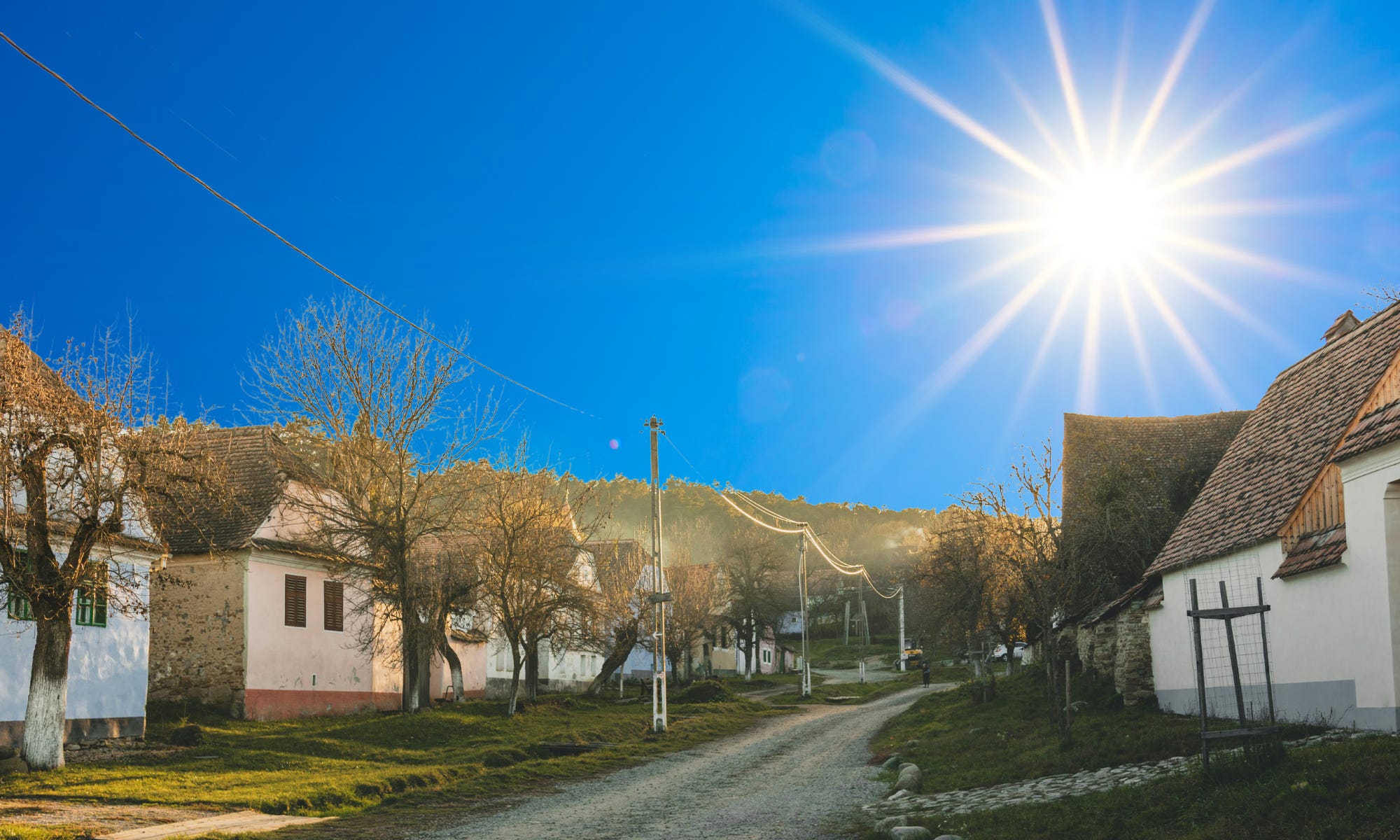
In Britain, across Europe and in the United States, different strategies have been enforced to protect our homes from the elements. None are fit for purpose any more.
Basically, the Brits have insulated homes, the Americans have cooled them and the Europeans have largely done nothing - except in really hot places.
Britain has spent the past decade making its homes better at trapping heat, with a vast insulation programme designed to lower bills and reduce emissions.
In June 2026, these cosy homes became dangerous heat traps, as outside temperatures broke all records for the month.
But don’t think this is an article about the need to reconsider.
Winter is coming…
Across the Channel, France recorded its hottest day since records began. The country counted roughly a thousand more deaths than expected in the few days after June 24, most of them among the over-65s.
In the south of mainland Europe, homes have been built for many years with thick lime-washed walls, small windows, outside shutters and rooms shaped around a through-draught.
But that wisdom thins as you head north, into France, and across the continent, as most homes have been left as they are, and only about a fifth of homes have air conditioning. Compare that with roughly nine in ten homes in the United States.
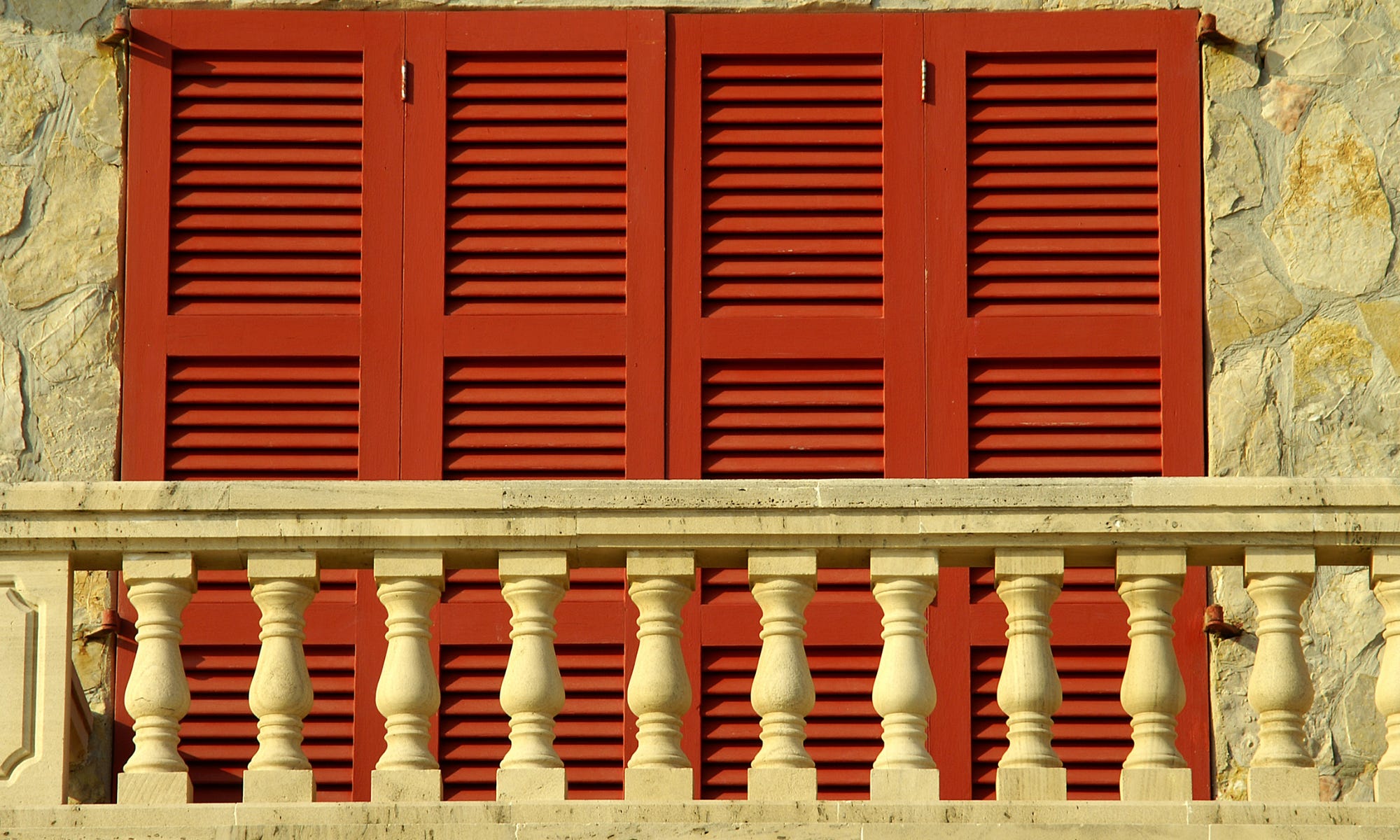
For a long time, most of Europe didn’t need cooling. Now the continent is warming at twice the global average.
June saw a stampede for portable aircon units, selling out in France and Germany.
But the American answer is not the solution. In May, before summer had properly arrived, an early heatwave drove power demand so high that the US Department of Energy issued an emergency order for PJM Interconnection - the grid operator for 13 eastern states and 67 million people - clearing it to fire up backup generation to stave off blackouts.
Run on a fossil fuel grid, the electricity behind the world’s air conditioners already rivals aviation as a dangerous source of emissions.
By turning on the AC units, we are literally trying to fight warming with the very thing that has accelerated it.

Insulation is great - if done properly
Insulation does not know which way you want the heat to travel. It just slows it down. That’s helpful in winter, but not in our modern oven-cooked summers.
In England, the millions of existing homes being insulated under government schemes are assessed for one thing - how much heating energy they’ll save. Thats the EPC score. Nobody considers what the numbers are like in June or July.
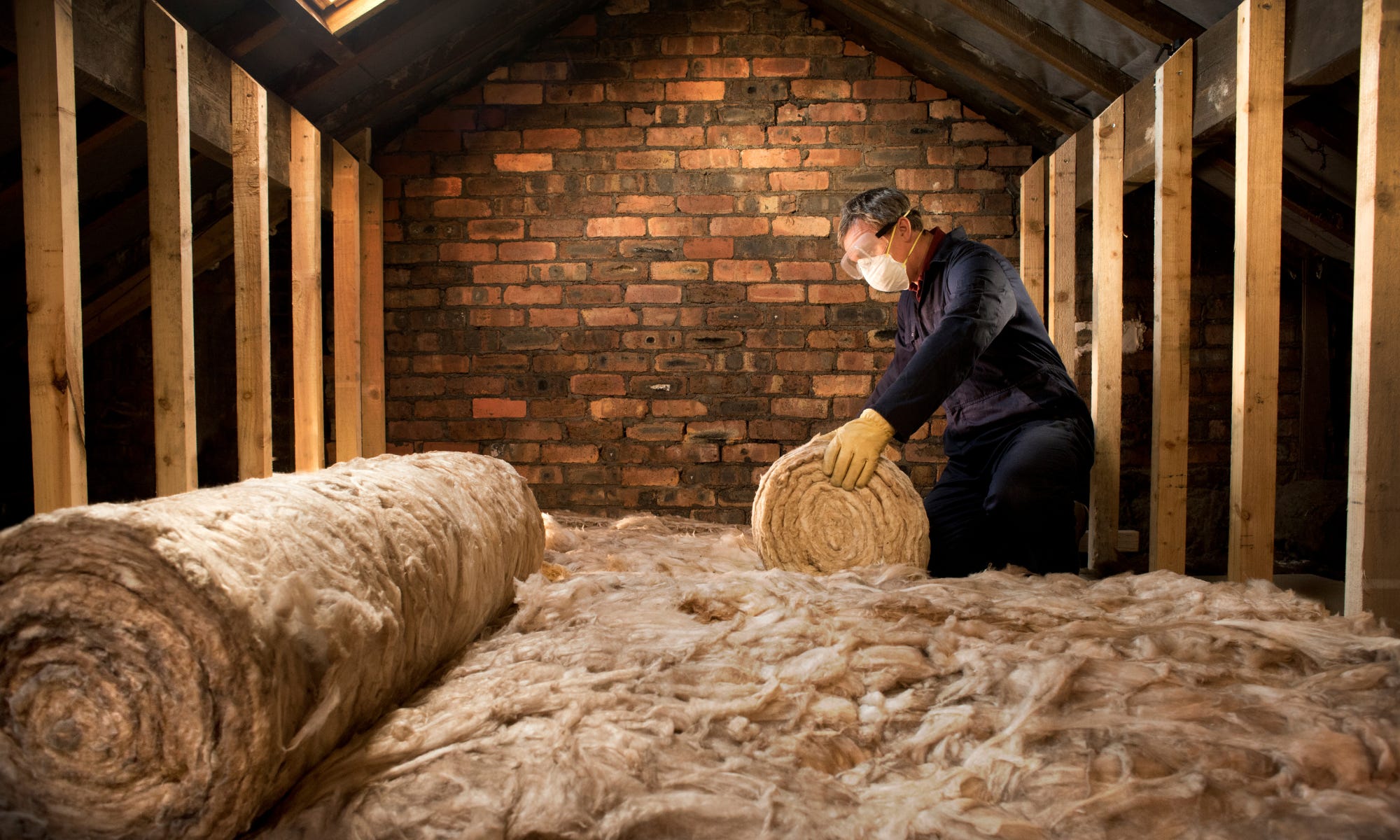
Insulation done properly protects you in both directions. A deep retrofit would include external shading on the glazing and cross-ventilation, to stay survivable in a heatwave and also cheap to heat in winter.
The government doesn’t pay for this, of course.
In England and Wales, the Office for National Statistics and the UK Health Security Agency counted close to 3,000 heat-related excess deaths across the summer of 2022, which was the summer the region first crossed 40°C.
The Climate Change Committee’s latest assessment warns that, without adaptation, the share of UK homes at risk of overheating could climb from around half today to roughly 90% by 2050.
And now for the big freeze…
So with a warming planet, hotter summers and sealed homes, more people dying indoors, we should insulate a bit less?
Not a bit of it.
Climate change can also bring harsher winters - and extremely harsh winters are heading to the UK and Europe, perhaps sooner than later.
There is a river in the Atlantic Ocean. It runs warm water up from the tropics to the coast of north-west Europe, hands it to our air, and then sinks. It is called the Atlantic Meridional Overturning Circulation - the AMOC - and it is the reason a country sitting at roughly the same latitude as Moscow has a climate that allows for agriculture and gardens.
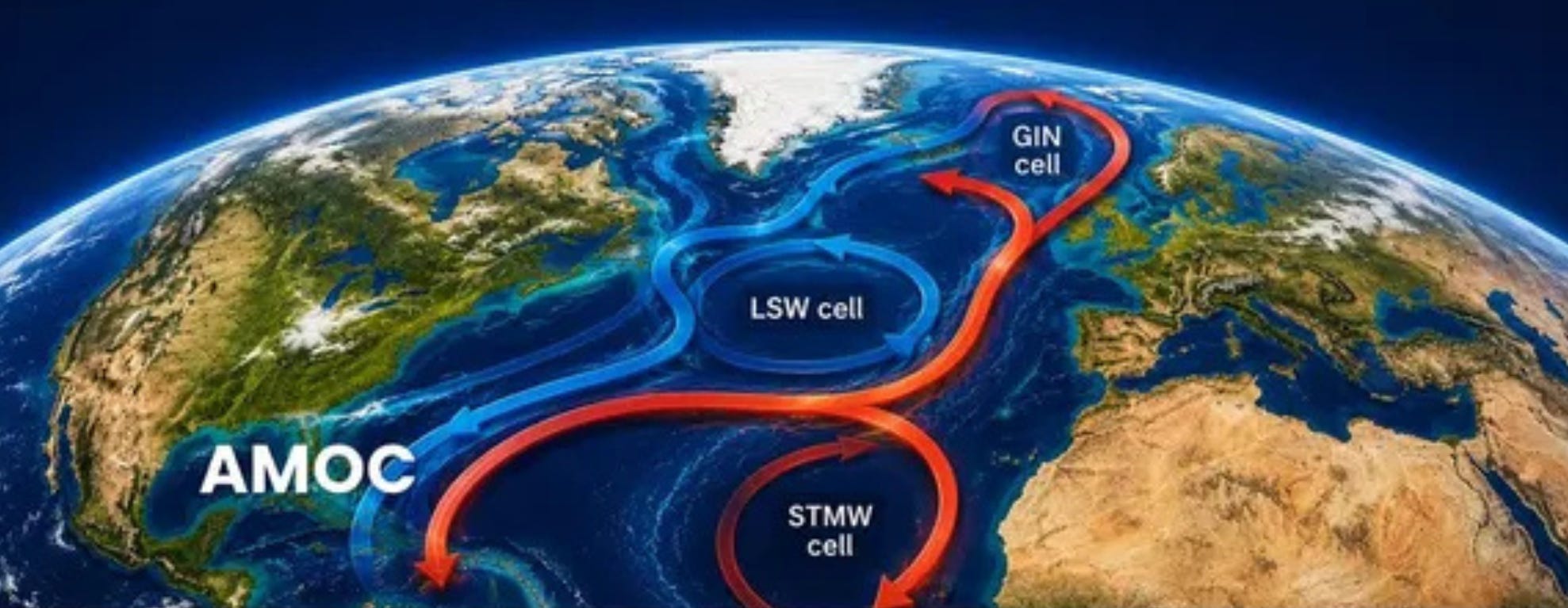
Research now puts the AMOC at its weakest in over a thousand years. It’s on the verge of collapse - in fact, it might have already started. Huge climate changes could conceivably play out over the next 20 years.
As I’ve written before, Iceland is the only country to have taken this threat seriously.
The UK Government’s own science office puts a full collapse as possible. If the AMOC goes, Britain and Europe get colder. Much colder in winter.
Europe could be the one corner of the planet that gets cooler in a warmer world.
But there would be climate adaptations needed across the world.
So where does that leave the housing policy?
Well, the same house that is cooking its occupant in a 40°C July heatwave, is the one that would keep them alive in a −20°C January.
Britain at least is ok, it’s insulating for a climate catastrophe.
It just doesn’t know which one.