

Stop The Boats or Drill, Baby Drill? You Can Only Pick One.

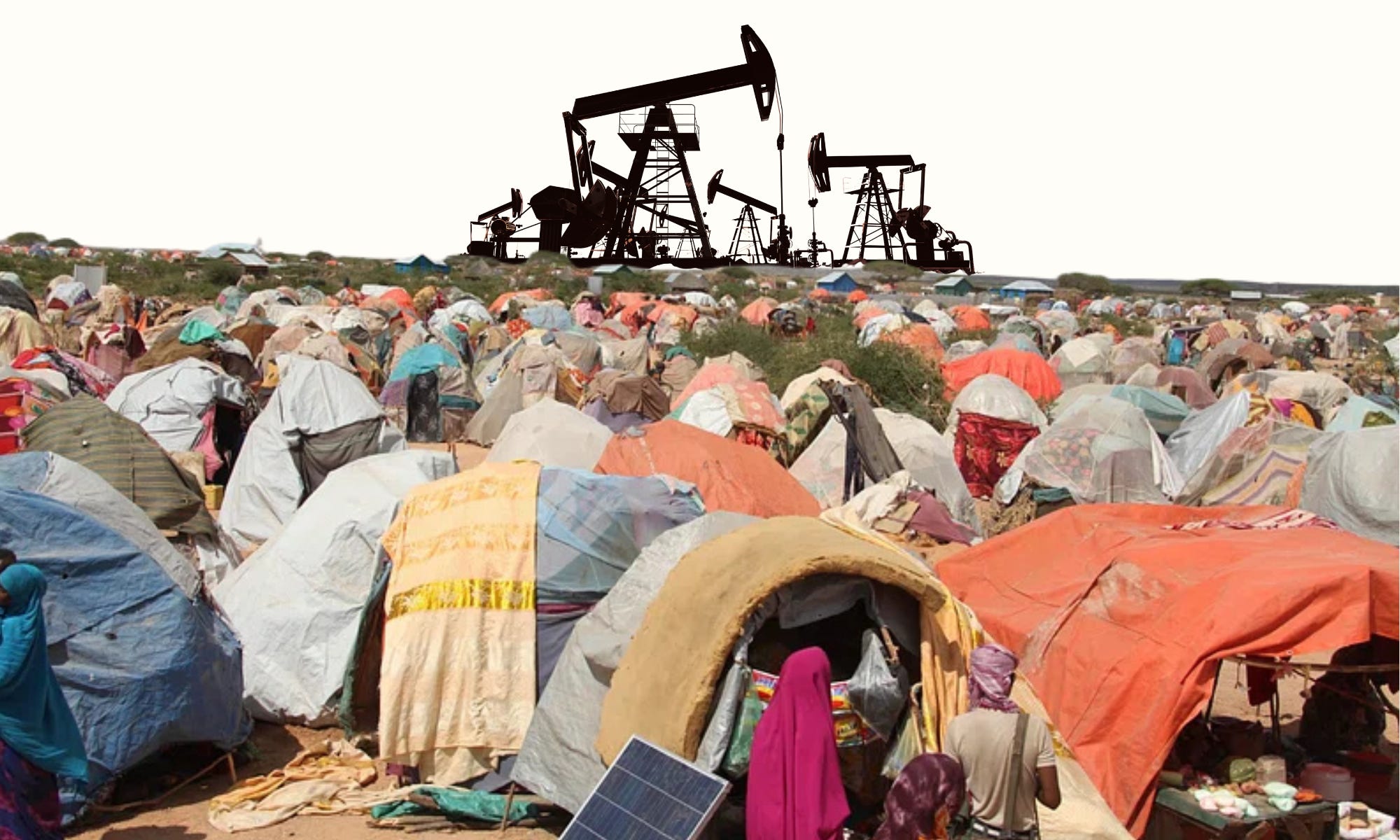
Migrants are being demonised across the globe. Like they’re the biggest problem we all face. Here in the UK, the small boats keep coming across the English Channel, and right-wing politicians are vowing to stop them.
These same politicians are also promising to ramp up drilling for oil, while supporting gas and fracking as energy sources.
The problem is, increasing production of fossil fuels also increases the amount of carbon dioxide in the atmosphere (that’s fact).
This adds to the already catastrophic global warming (that’s fact), which causes extreme weather conditions and forces hundreds of thousands - sometimes millions - out of their homelands and in search of somewhere safer to settle (again, fact. I know I’ll be challenged).
So in the case of Reform UK, for example, their attack on Net Zero and promise to drill “every last drop” of oil from the North Sea, will actually lead to many more migrants coming to our shores in small boats.
In the same way that Farage-led Brexit caused a vast increase in immigration.
So what’s it to be - stop the boats or drill, baby drill? Like the headline said, you can only pick one. Though of course, many of us would choose neither.
Europe Has Strengthened Its Wall
On June 12, the EU’s toughest-ever migration rules came into force.
Echoing Trump’s clampdown, there will now be mandatory screening at every external border, faster deportations, longer detention, and even plans for deportation centres outside of Europe. It’s the biggest wall the continent has ever built.
So will this solve the UK’s and Europe’s perceived problem of rising immigration?
Let’s look at the facts.
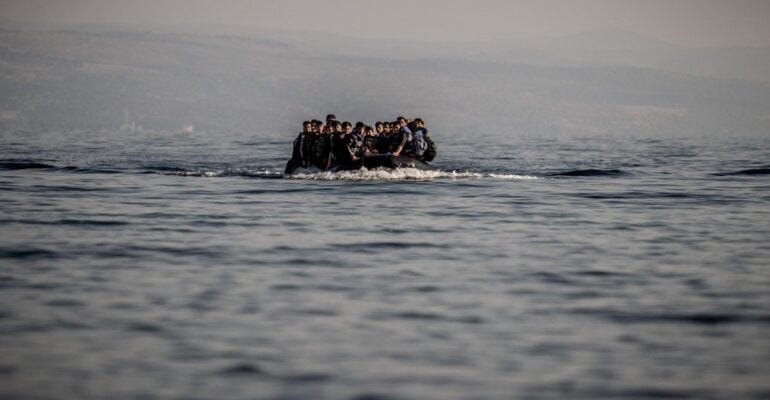
Who Is On The Boats? And Why?
The single biggest group arriving in the UK on small boats over the past year are Eritreans. Then Afghans, Sudanese, Iranians and Somalis. Those five nationalities account for more than half of everyone who arrived.
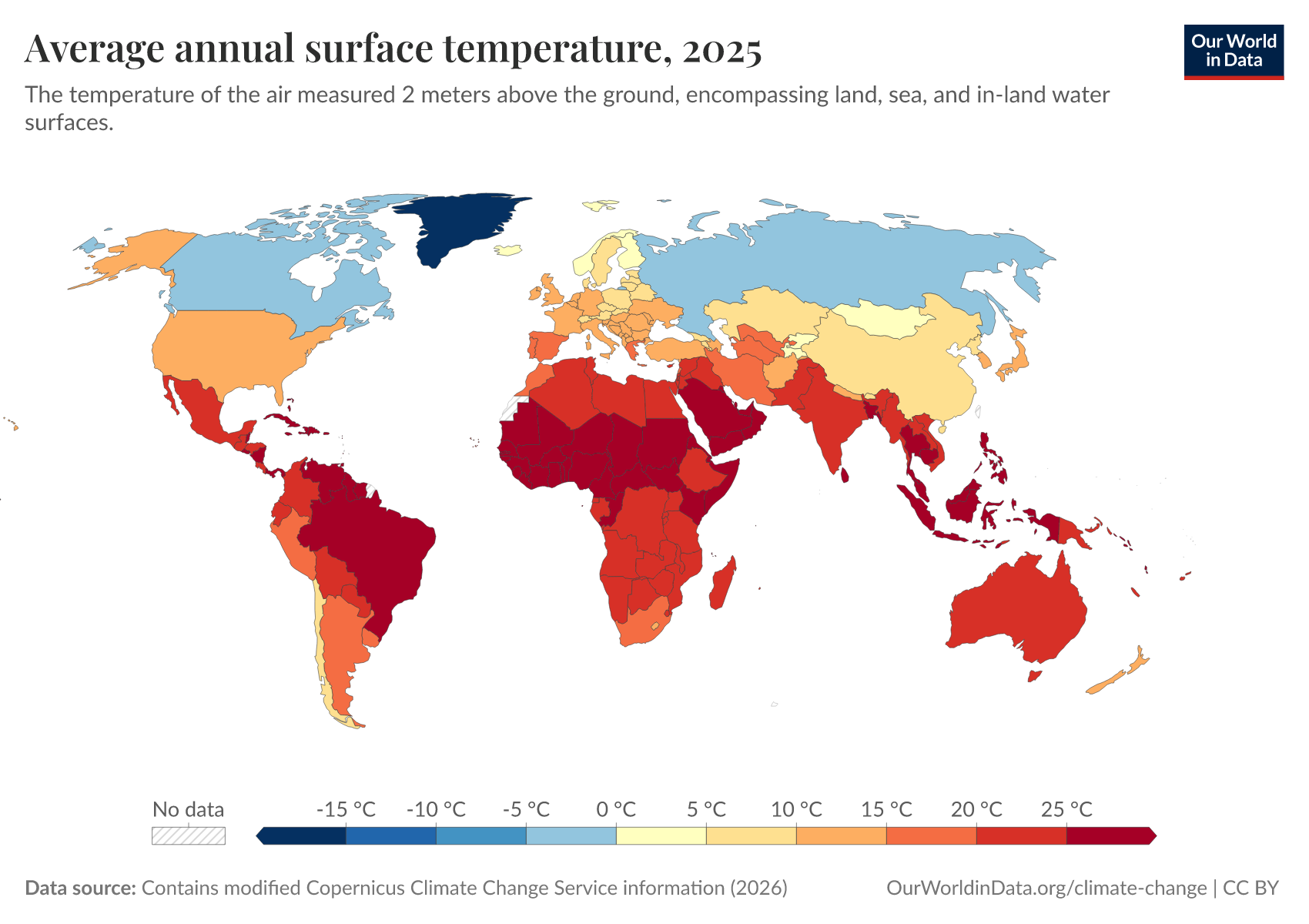
Numbers are growing from Sudan, Somalia and Ethiopia, on the Horn of Africa. So what do these countries have in common?
Wars, yes. But look underneath and you find something else they share. Climate damage.
The Horn of Africa has just lived through its worst drought in 40 years. It suffered five failed rainy seasons, back to back. Crops are gone, wells are dry, millions of livestock perished.
In Somalia alone, the drought killed an estimated 43,000 people in a single year. Half of them were children under five. More than three million Somalis were forced from their homes.
Scientists who studied the disaster came to the conclusion that the drought could not have happened without climate change.
And what do people do when the land dies? Well, what would you do? You walk. First to the nearest city - but there is no work there, because thousands got there ahead of you. So you walk to the coast. Then, if you’re desperate enough, onto a boat.
Home wasn’t survivable any more. They can’t ever ‘go back to where they came from’.
It’s not just Africa. In 2022, floods put a third of Pakistan underwater, and eight million people were driven from their homes in one summer.
Scientists studied that one, too, and believe the rainfall was made around 75% more intense by global heating. Pakistan flooded again last year. And the year before that.
Meanwhile, in Central America, two devastating hurricanes in a fortnight displaced 1.5 million people, many of whom ended up walking north towards the US border, where American politicians made the same speeches about ‘invasion’ that those in the UK make about the English Channel.
Why Do They All Come To The UK? (They Don’t. Only A Fraction Do)
When disaster forces people from their homes, the overwhelming majority stay inside their own country. Last year, disasters drove about 30 million displacements worldwide; the year before, it was a record 46 million.
Almost all of those people are still in their own countries, in camps or cities or the spare rooms of friends or relatives.
Of the minority who do cross a border, two-thirds only get as far as the country next door.
Britain takes a tiny fraction. In the year until March 2026, 39,271 people arrived by small boat. A second-tier football crowd, in a country of 69 million.
Where Most Climate Migrants Go
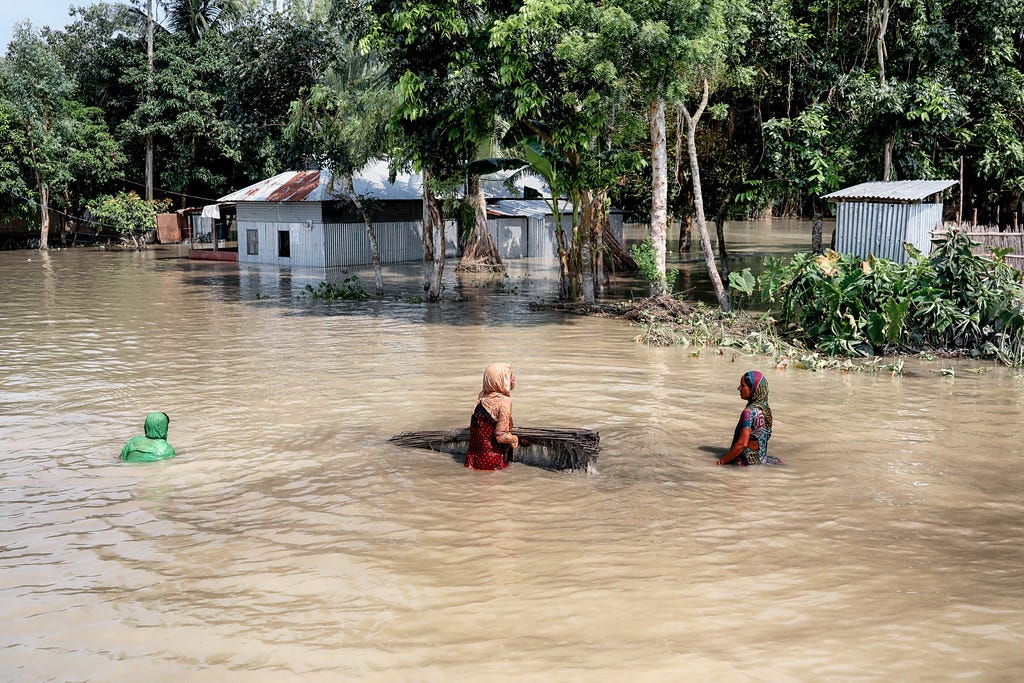
Bangladesh into India is the largest single international migration movement in the world, according to the Asian Development Bank. Yes, more in number than those travelling from Mexico to the US border.
And get this round your head. By 2050 - just 24 years away - nearly a fifth of Bangladesh is projected to be underwater, due to climate change.
Under. Water.
About twenty million people will be displaced. So of course, India’s response has been to fence the border and strengthen its citizenship checks. Sound familiar? It’s what governments do, largely with the support of the population. We are an intolerant breed.
Millions also leave climate-stressed farmland in South Asia for the Gulf - about 30 million migrants now work in the petrostates, many of them building air-conditioned cities outdoors in some of the deadliest heat on the planet.
In economies bankrolled by the very product that burned them off their land.

What’s Heating the Planet?
We don’t need to go into a long explanation here. The science is settled, no matter what fossil fuel-funded politicians and agitators tell you.
Burning oil, gas and coal produces about 90% of the carbon dioxide that’s heating the planet. Fossil fuel companies agree with this number - they just seek to complicate matters by calling them ‘Scope 1, 2, and 3 emissions’.
So, more drilling means more heating. More heating means more dead land. More dead land means more people walking, and more immigrants arriving. It’s not rocket science.
The Reform Hypocrisy
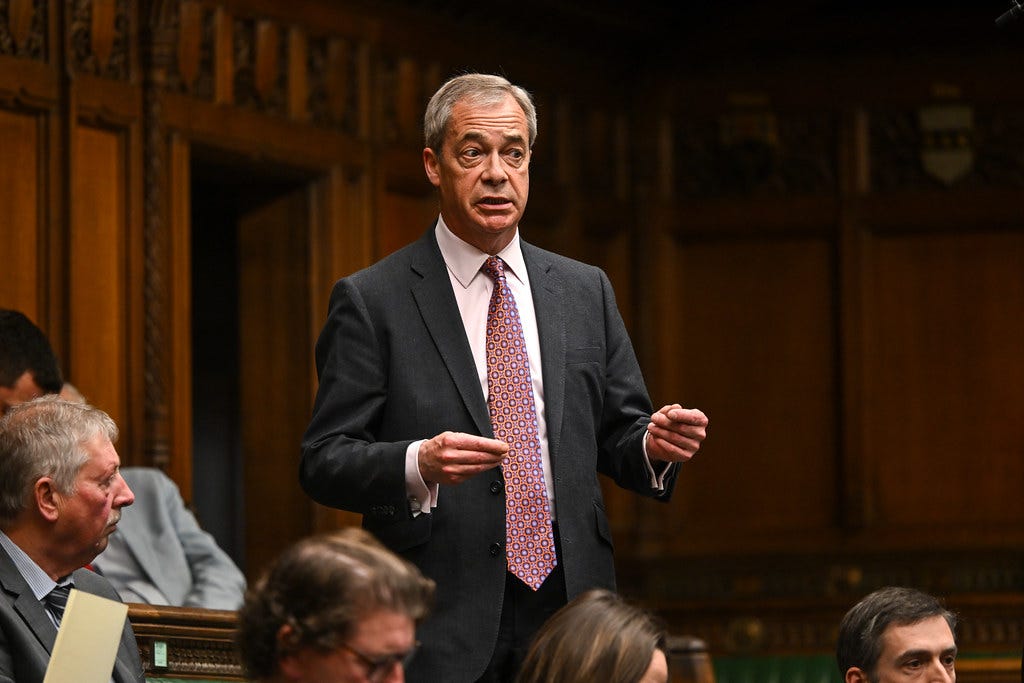
Reform UK’s pitch pretty much rests on two main policies.
One: ‘Stop The Boats’. Cut immigration drastically. Deport people, Trump-style.
Two: Scrap ‘stupid’ net zero and drill the North Sea for - in deputy leader Richard Tice’s own words - “every last drop.” Bring back fracking. Open new coal plants.
And it really isn’t surprising that Reform are making this call when you find out who’s paying them and pulling their fragile strings.
Reform has taken £24 million from fossil fuel interests, climate science deniers and polluters, according to a recent investigation by DeSmog.
To be fair, let’s look at the other parties in the UK. Analysis of Electoral Commission records shows the Conservatives took £8.4 million from the same shady crowd over the last parliament.
Labour took £41,600, including money from Drax - the single largest source of carbon dioxide emissions in the UK.
But nothing compares to the level of influence Reform have bowed down to. It’s pretty much their business model, their method of survival.
Let’s state the obvious again:
You cannot promise to stop the boats while taking millions from the industry that launches them.
Now the tricky part - communicating this to the millions being swept along by the media-enabled BS of Reform being ‘there for the regular person’.
What’s Coming Next?
The World Bank projects that on our current path, climate change could force 216 million people to move home by 2050.
The same report claims that if we act decisively on emissions now, that number will fall by 80%.
So - the single most effective border policy that could be brought in by any government, is to keep the places people already live survivable, so they never get on a boat in the first place.
UK Prime Minister (at least of the time of writing) Keir Starmer was right in saying that we need to deal with the cause, not the symptoms. But his view that ‘smashing the gangs’ would solve immigration were way off mark.
So What Do We Do?
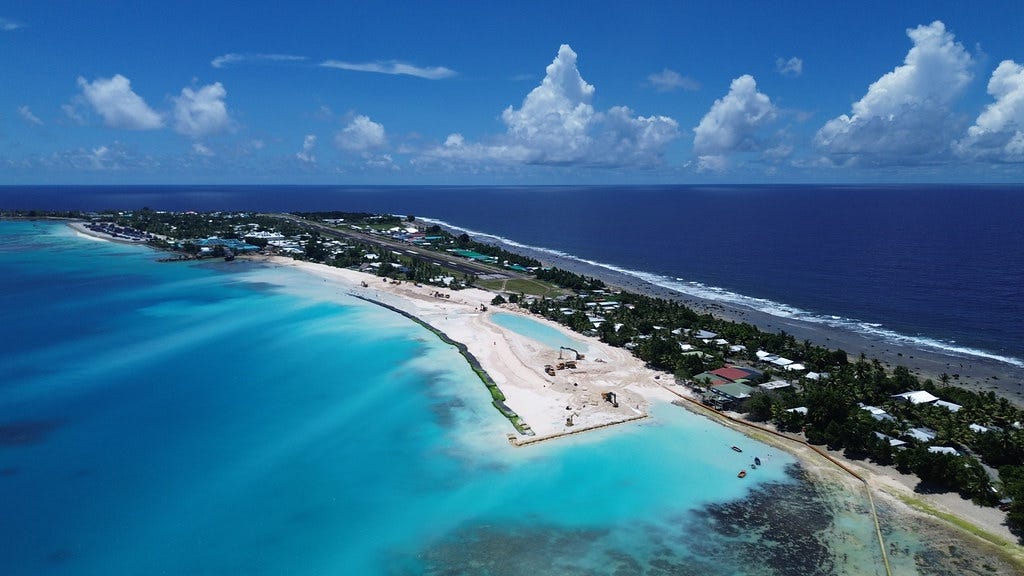
Take Australia’s lead. The country has signed a treaty with Tuvalu, a Pacific nation that is literally going under, to create a planned, orderly route for its people before the climate chaos fully arrives.
The choice for all governments is a planned future, or a chaotic one. Certainly not making it worse by stoking the fires of global warming - however much people pay you to take that suicidal route.
If you genuinely want fewer people getting on boats, then you want less of the thing burning their homes.
Anyone telling you that you can have endless drilling and closed borders is lying. And they’re being paid to say it.