

We Are Talking To Animals — What Will They Tell Us?

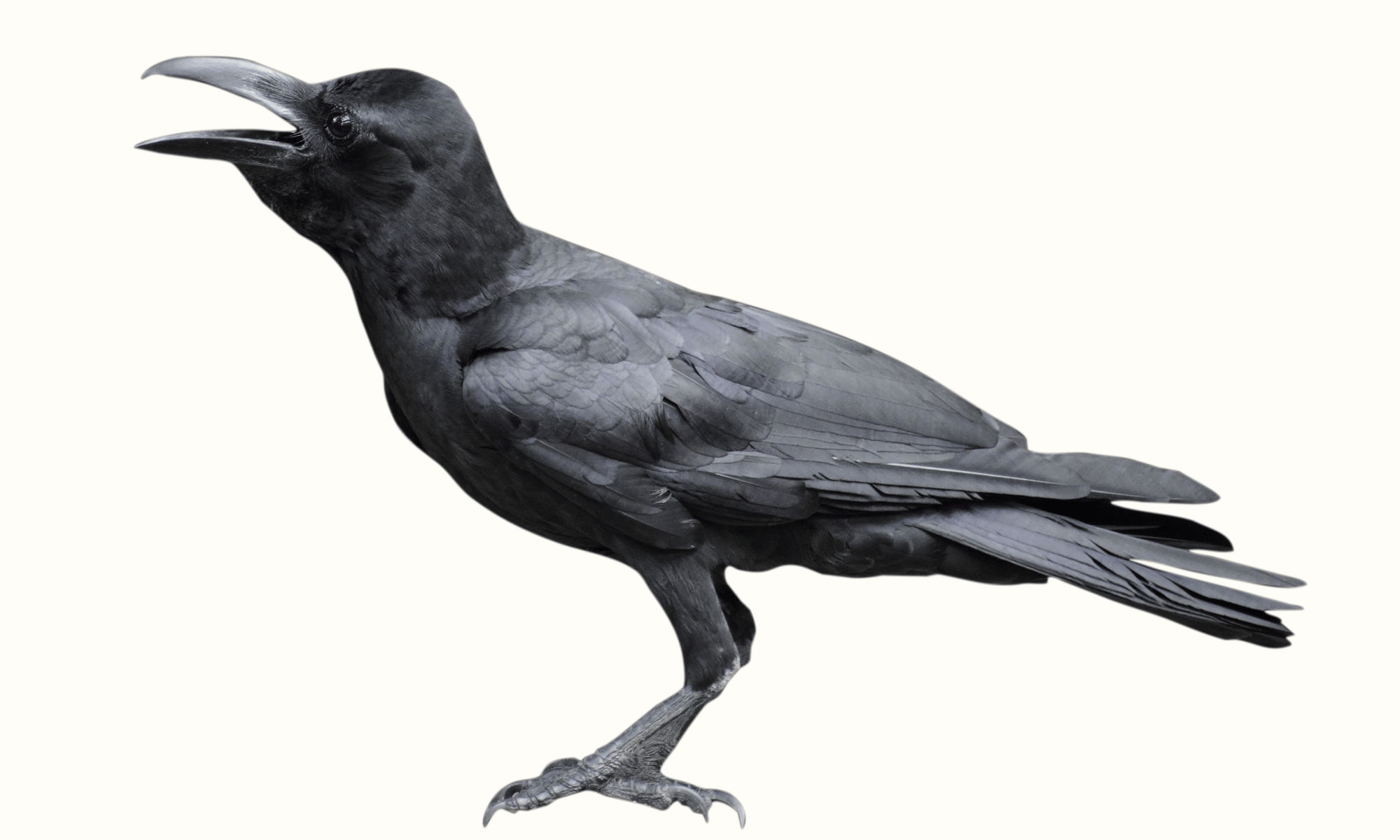
There are more than 8 million species on Earth. We are just one of them. We can only understand the language of our own species, yet we consider ourselves superior.
Soon the animals could be telling us a few home truths.
The Earth Species Project (ESP) is an incredibly exciting mission to utilise the powers of a new ‘lifeform,’ which is rapidly becoming smarter than humans: Artificial Intelligence - AI.
ESP are building large AI models to decode animal communication - and early results suggest we can already ask meaningful questions of creatures, and get useful answers back.
Just imagine what we could learn from other species. What wondrous insights they could share, on such blurry phenomena like migration. What utterly sickening tales they could tell about the way they are treated by humans.
How Can This Happen?
ESP has already discovered that AI can learn the structure and meaning embedded in non-human sound - calls, songs, clicks, choruses and the like. This is now helping scientists map those signals to learn behaviour and context.
ESP’s flagship model, NatureLM-audio, is the first large audio-language model tailored for animal sounds. ESP plans to release it this year as part of its open-science commitment.
Also used are AVES and BirdAVES - self-supervised encoders for animal vocalisations. ESP has also developed the first benchmarks for applying AI to animal communication research.
ESP ‘s models are being tested first with Killer Whales (Orcas), Zebra Finches, Hawaiian and Carrion Crows.
Learn more about the crows project in this interesting short video…
Beyond those species, ESP will work through datasets spanning birds, cetaceans, elephants, bats, amphibians, dogs and cats.
Many of us would like to hear from farm animals. This is more than a possibility, though expect a huge pushback if mind-blowing results have already been achieved with other species. The truth would be costly for many.
Fully decoding a non-human language will take time, but ESP believe they are far down the road to achieving this.
What ESP Says Animals Can “Tell” Us
As the AI models keep scaling, ESP believes the recordings can tell us:
Who is here?
How many are here?
What life stage?
What kind of call is it?
What are they doing?
Who’s interacting with whom?
How are they feeling?
What’s happening in their environment?
How healthy is the ecosystem?
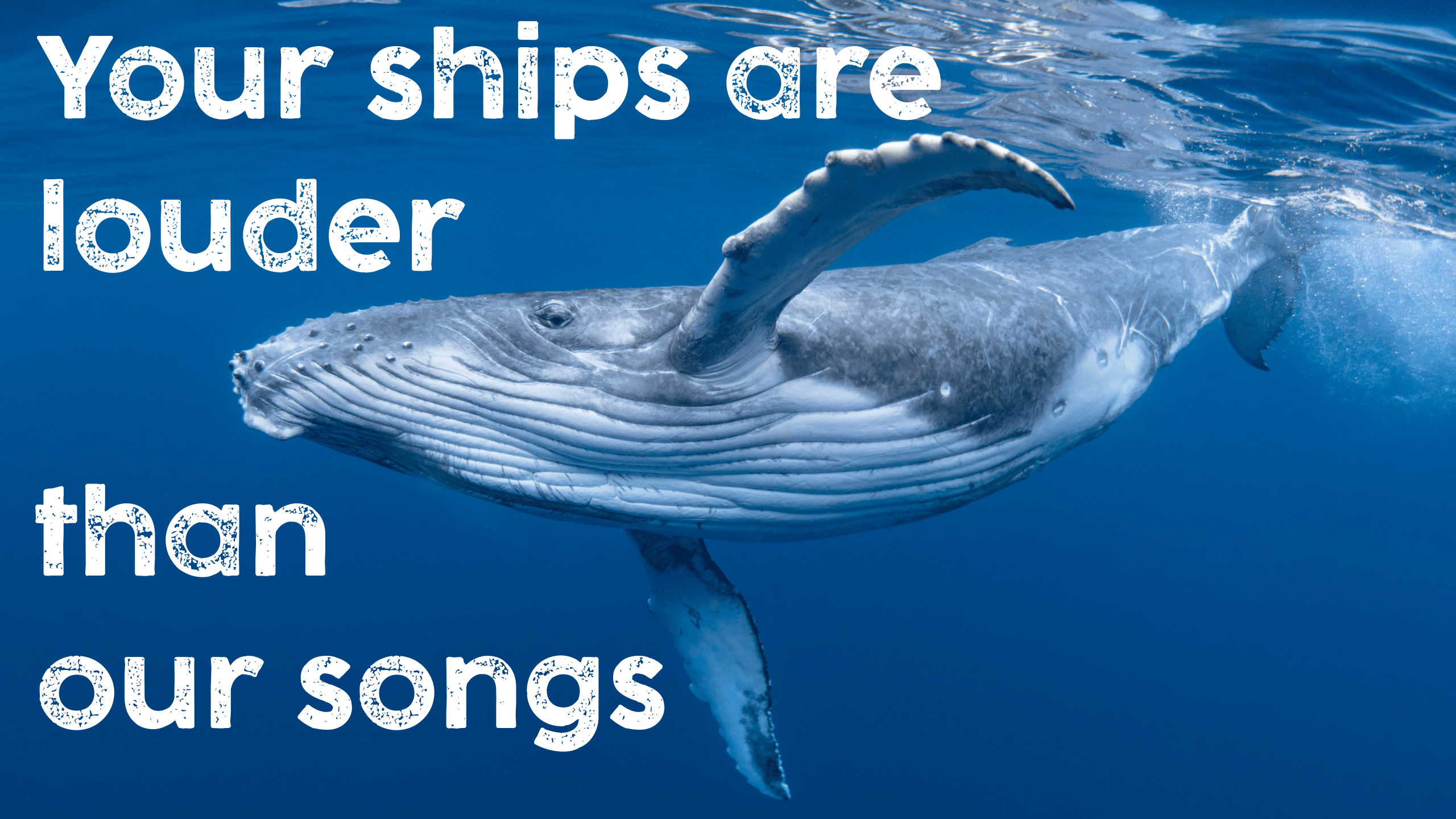
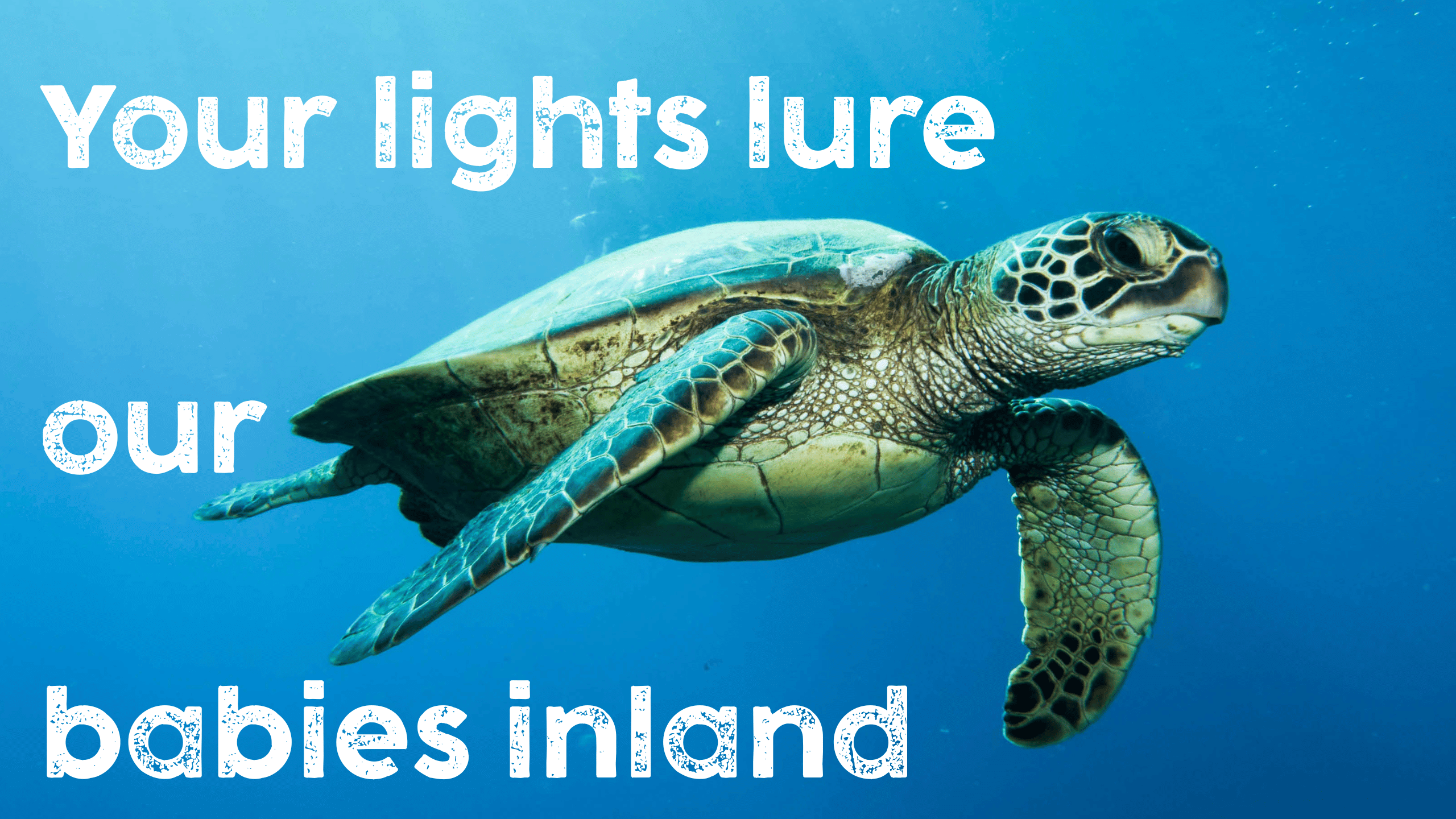
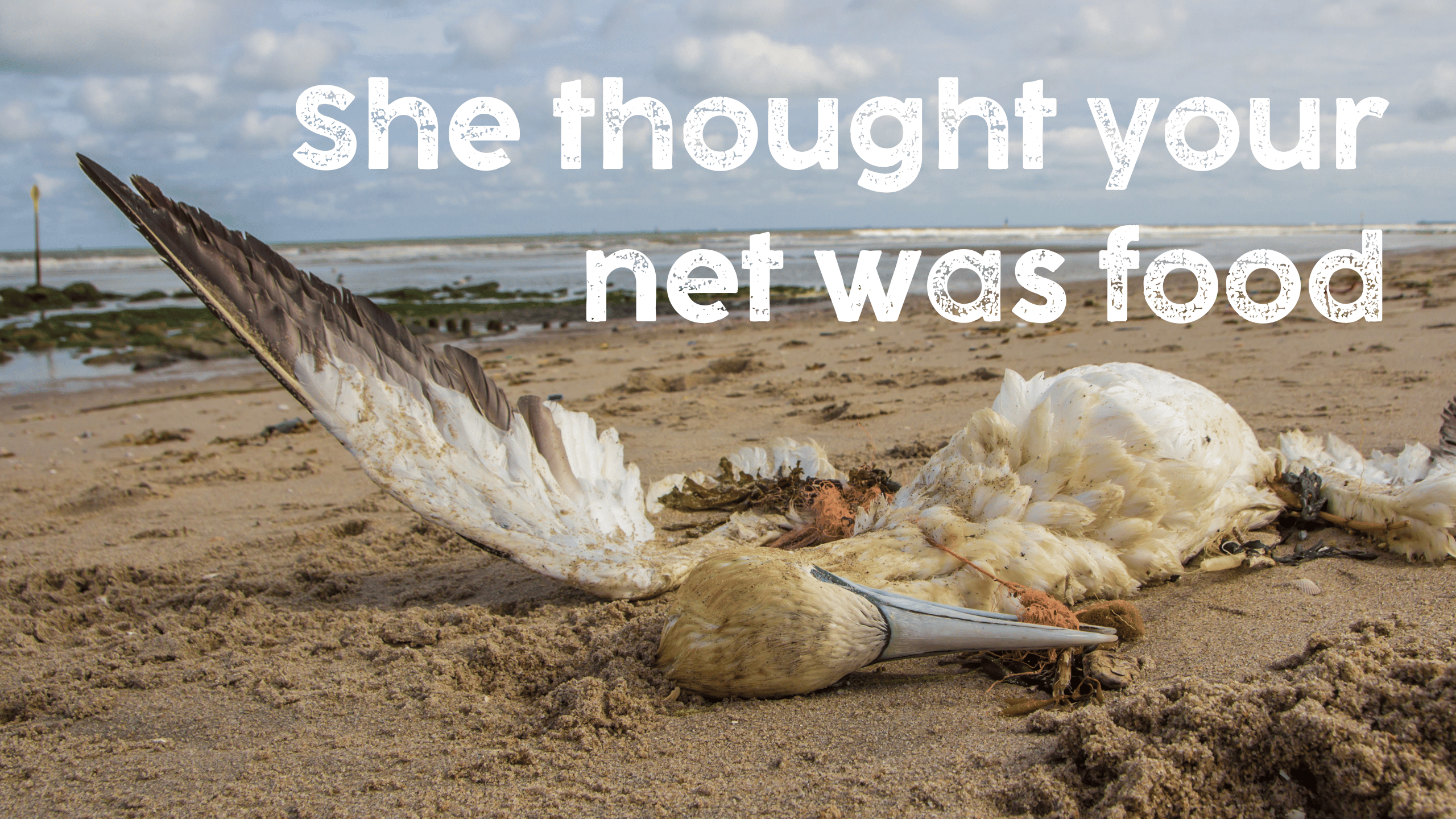
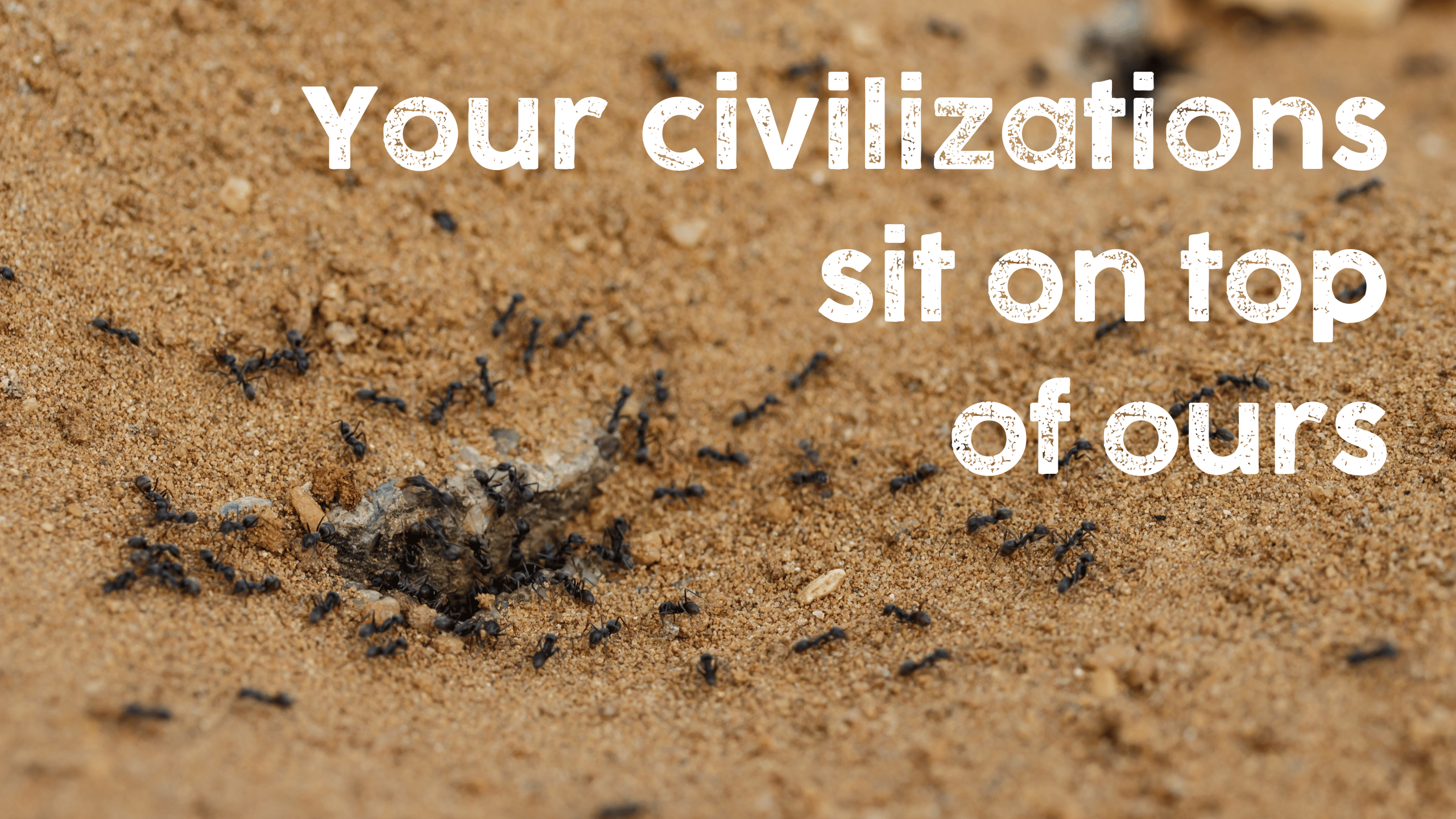
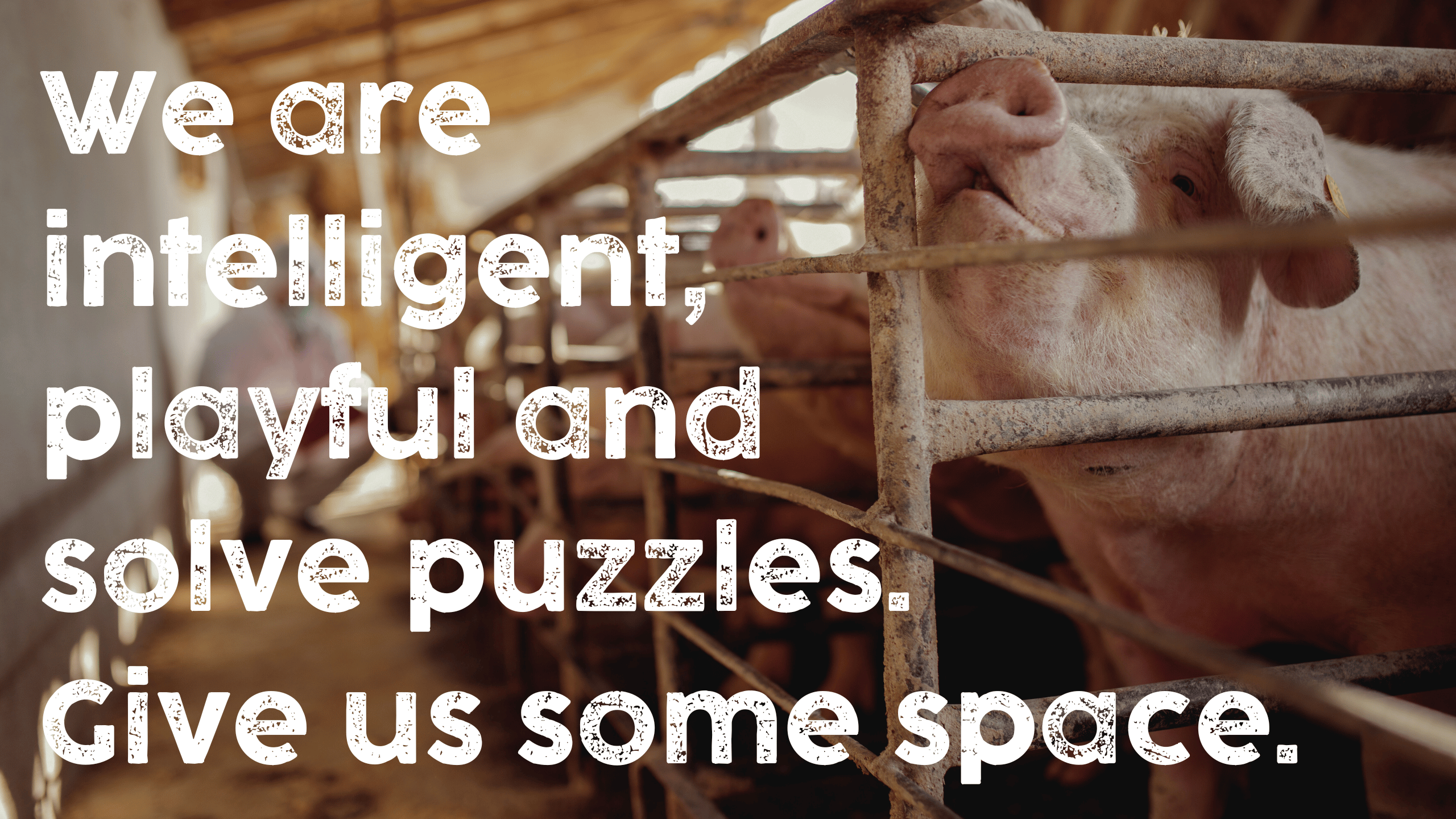
In time, they would hopefully be able to translate more specific messages, from animals, aimed at humans. Consider these, for example:
Rethinking Our Relationship With Nature
The above images represent a bit of a reach at this moment in time, but it’s enough to give me hope that we will be able to communicate effectively with other species.
Christiana Figueres - ESP’s newest board member and former UN climate leader - shares her own vision for redefining humanity’s relationship with nature in this short interview:
Is It Ethical To Talk To Animals?
Listening to animals is surely ethical and often beneficial, for welfare and conservation. Talking back to the animals does cross into ethically fraught territory.
However, if the object of the exercise is to reduce harm, respect the decision-making of species, and avoid manipulation, then controversy narrows.
Benefits of communication for the species involved, include the fact that better interpretation of distress can lead to improved protections.
However, misinterpretation of messages could increase stress on animals, while AI-generated calls may intrude on mating, parenting or traditions.
Farm animals are a special case. Ethically, “talking” to these animals should not intensify production or mask poor conditions. We should use communication only to reduce fear and pain.
Project CETI, which is undergoing its own communication translation, with sperm whales, is currently drafting legal and ethical principles that start from the premise that non-humans are subjects, not tools.
ESP also publicly gives great emphasis to risk awareness and the need for high ethical standards in its own work.
From a personal point of view, this is one of the most exciting projects I have discovered in years. I realise I am an outlier when considering ‘life’ as ‘all life’ and not just seeing things from a human perspective.
As we are bombarded daily with human news, the idea of translating what other species are talking about is fascinating, and a breath of fresh air.
Read more: Visit the Earth Species Project website.