

We Won't Stop Drilling and Fracking. We Need Plastic Too Much.

Fossil Fuels v Renewable Energy. Dirty v Clean. Climate Catastrophe v Hope. The battleground has been well established and we’ve been trading blows for decades now.
But the real fight was never on the card.
More than 99% of plastic is produced from chemicals sourced from fossil fuels. So, as long as we are using plastic, we are still going to be demanding the extraction of fossil fuels.
We could hit peak fossil fuel energy demand as early as next year, but even if we do stop burning for fuel, we are definitely not going to stop drilling and fracking. Our lives depend too much on plastic.
Plastic. The material that chokes our waterways and increasingly, our bodies.
It makes a mockery of the ‘Just Stop Oil’ campaign, sadly. Just stopping oil is just not feasible at the moment.
Roughly one barrel in 12 becomes material for plastic production, rather than energy. But when cleaner, cheaper renewables complete their global takeover, plastic will become the only reason left to keep drilling.
The fossil fuel industry knows this better than anyone. Plastic is its Plan B: the reason to keep the rigs running and the fracking pads producing, long after our cars and homes have gone electric.
Our dependence on plastic is their insurance policy.
The global plastics market was valued by Fortune Business Insights at $524.48 billion in 2024, with the market projected to reach $754.23 billion by 2032.
But isn’t making plastic cleaner than burning it?
When you burn oil for fuel, you pull carbon out of the ground, burn it and send it up a chimney, into the atmosphere, as carbon dioxide.
Making plastic involves turning the oil into a solid object, not smoke. But it’s far from clean.
First, you have to cook the oil to turn it into plastic. This is called cracking. I’ve just learned this myself. The oil is heated to roughly 850°C, round the clock. So you are still burning oil and gas to make plastic.
Add in the drilling, the fracking and the methane that leaks along the way, and the process of making the world’s plastic now accounts for about 5% of all global greenhouse gas emissions. That’s more than the world’s entire aviation industry.
Much of the carbon that does end up locked inside the plastic will still be released one day. A vast amount of the world’s plastic waste is eventually burned - in incinerators, or on open fires - and the moment that happens, the carbon goes up, exactly as if you’d set light to the oil in the first place.
Increasingly, however, plastic is a material we simply can’t live without.
Why The World Needs Plastic. And Why We Need To Ditch It.
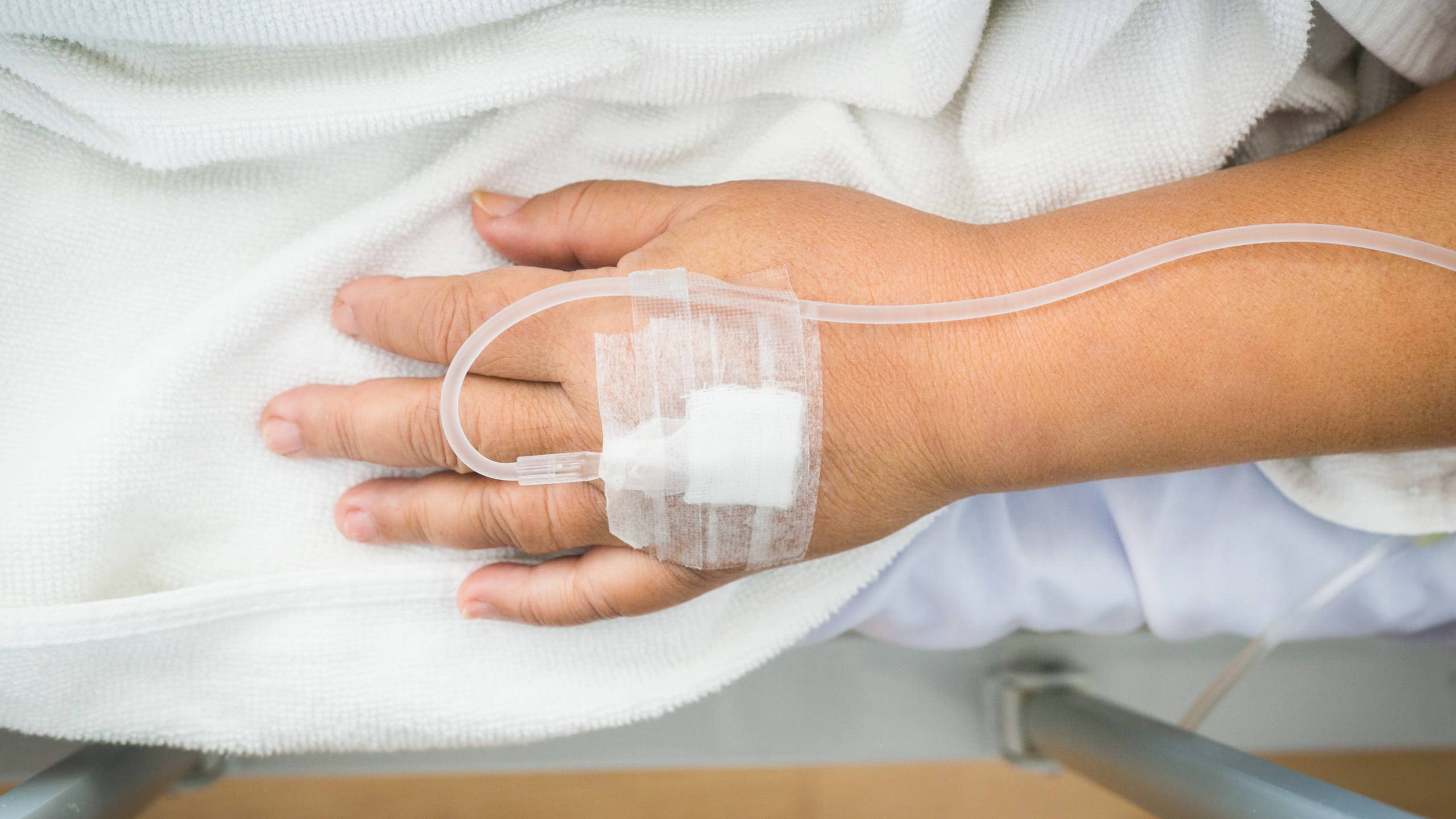
If you have ever been seriously ill, plastic will have helped to keep you alive. Consider the cannula in the back of the hand, the bag of saline on the pole, the tube carrying it down.
The blood, if it was needed, would have been stored in a soft plastic pouch, because glass shatters. The oxygen mask, the catheter, the syringe, the sterile peel-open wrapper…
Four common plastics - polyethylene, polypropylene, PVC and polystyrene - make up about 70% of the mass of modern medical devices.
And then we bin it, of course. Less than 5% of healthcare plastic is recycled in North America and Europe, because reusing it between patients is how you carry infections from one body to the next.
Our home life relies on plastic, too.
There’s a good chance the water that comes out of your tap spent its last mile inside plastic piping. India’s national rural water programme to connect more than 150 million households runs overwhelmingly through plastic pipes.
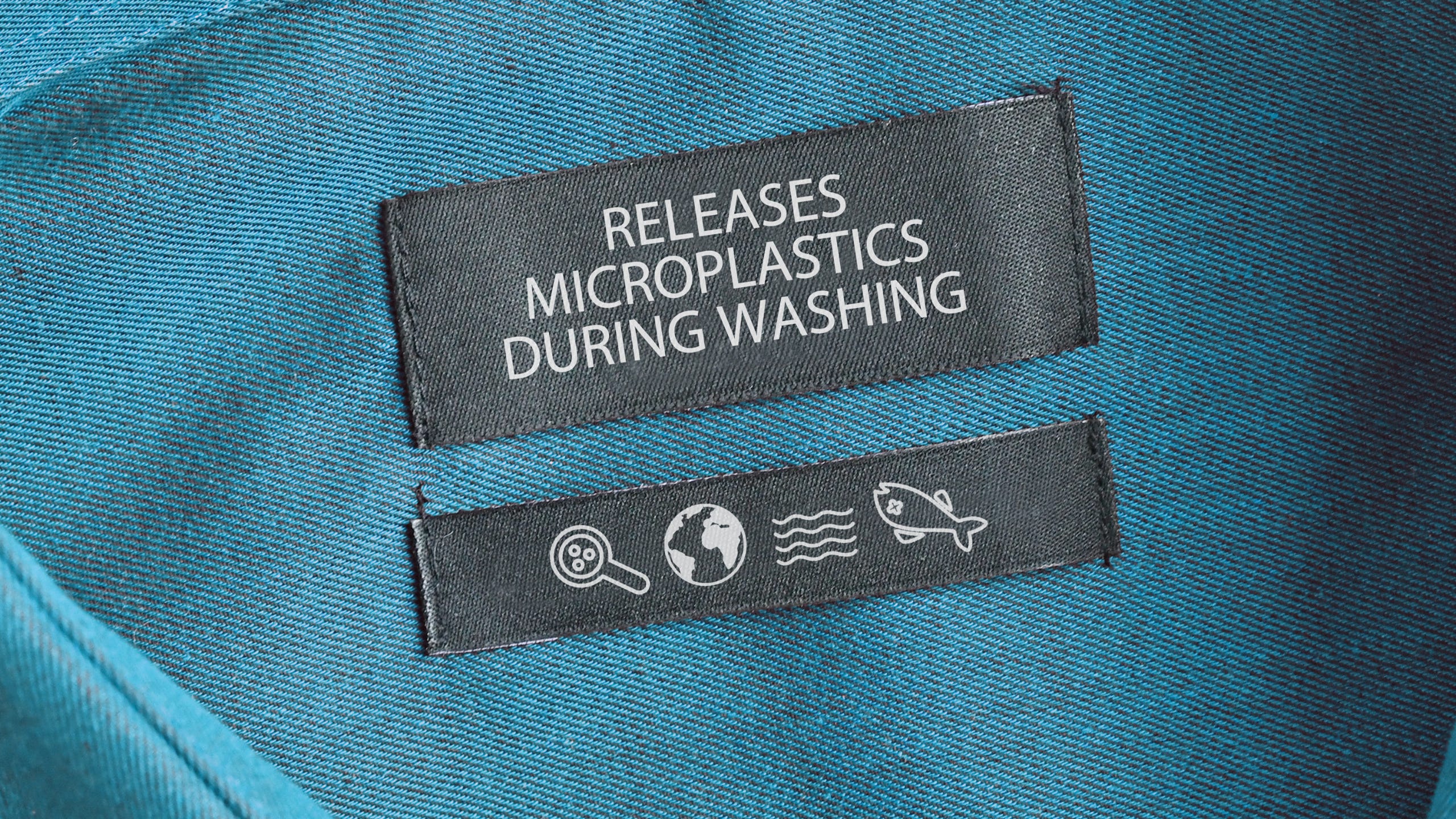
Clothing is riddled with plastics - polyester, nylon, elastane and spandex among them. Every time we wash them, it sheds microplastics into our waterways.
In the kitchen, unless you’re seriously into green living, you’ll find plastic bottles, cling film, sandwich bags (often polyethylene), sponges and scourers (often polyurethane or polyester).
Head to the bathroom and scan your toothbrushes (usually polypropylene with nylon bristles), shampoo and shower gel bottles, wet wipes, dental floss, make-up items….
Laundry pods and dishwasher tablets often contain plastic (not in my house, I’m happy to add).
I don’t need to go on…. you know there is plastic EVERYWHERE, from furniture filling to pens, from candles to sanitary pads. Everywhere.

Our food supply relies on plastic, too
It seems nonsensical to shrink-wrap a cucumber in plastic. But then, that process roughly triples how long the cucumber lasts, and food waste is itself a vast climate and economic problem.
In the growing fields, mulch films warm the soil, and silage wrap preserves winter feed. Substituting plastics in agriculture isn’t currently possible without threatening food security.
And then there’s the plastic you don’t even realise you’re quite literally consuming.
If you like chewing gum, that chew is down to plastic. The gum base is built from synthetic polymers - polyethylene (as used in carrier bags), polyvinyl (white glue) and butyl rubber.
A 2025 study found that chewing on a large stick of gum can released as many as 3,000 microplastic particles into your body. That’s simply horrendous. What are we doing to ourselves?
Take tea bags, as well - most of the “paper” ones are heat-sealed shut with polypropylene. The silky pyramid kind are nylon or PET.
A 2019 study in Environmental Science & Technology found a single plastic teabag at brewing temperature can release around 11 billion microplastic particles, and billions more nanoplastic ones, into one cup.
Talking of cups, you might think you’re making an eco-friendly choice by using paper cups, rather than plastic ones. But a disposable coffee cup is actually a paper-plastic composite, lined with a thin film of polyethylene so your latte doesn’t dissolve the skin on your hand. That lining is why the cups are almost impossible to recycle.

The uncomfortable truth about plastic in wind turbines and solar panels
Yes, I’m afraid our cleaner, greener renewable energy currently requires fossil fuels as well - to hold the components together.
Wind turbine blades require a resin that bonds fibres. These are often epoxies, polyesters and vinyl esters, which come from petroleum.
This also contributes to the problem of how to recycle the blades after their 25 years of use.
Solar panels use EVA (ethylene vinyl acetate) in thin sheets between the solar cells and the front and rear surfaces. The protective backsheet is a fluoropolymer film. All derived from petrochemicals.
What can replace plastic?
And perhaps more importantly, can it possibly scale?
I’ll save that for the next article. In the meantime, please have a read of this connected piece I recently published, explaining where microplastics are found in our body. Or watch my video. The facts are shocking.
And remember - this is Fossil Fuels 2.0.

Great article! As you say, "one barrel in 12 becomes material for plastic" so when we switch to renewables, we will have gotten rid of 11 out of 12 barrels of oil. That's a pretty big win for our health and environment. We need to find ways to get rid of that remaining barrel.
Great article Mark, and a much better way to counter the ‘just stop’ rhetoric. As some say, it’s a polycrisis.