

Can We Ever Replace Plastic?

We’ve already established that plastic is the insurance policy of the fossil fuel industry. It’s the reason we can’t stop drilling for oil and fracking for gas.
We’ve also come to realise the horrific reality that microplastics have seeped into every part of our body.
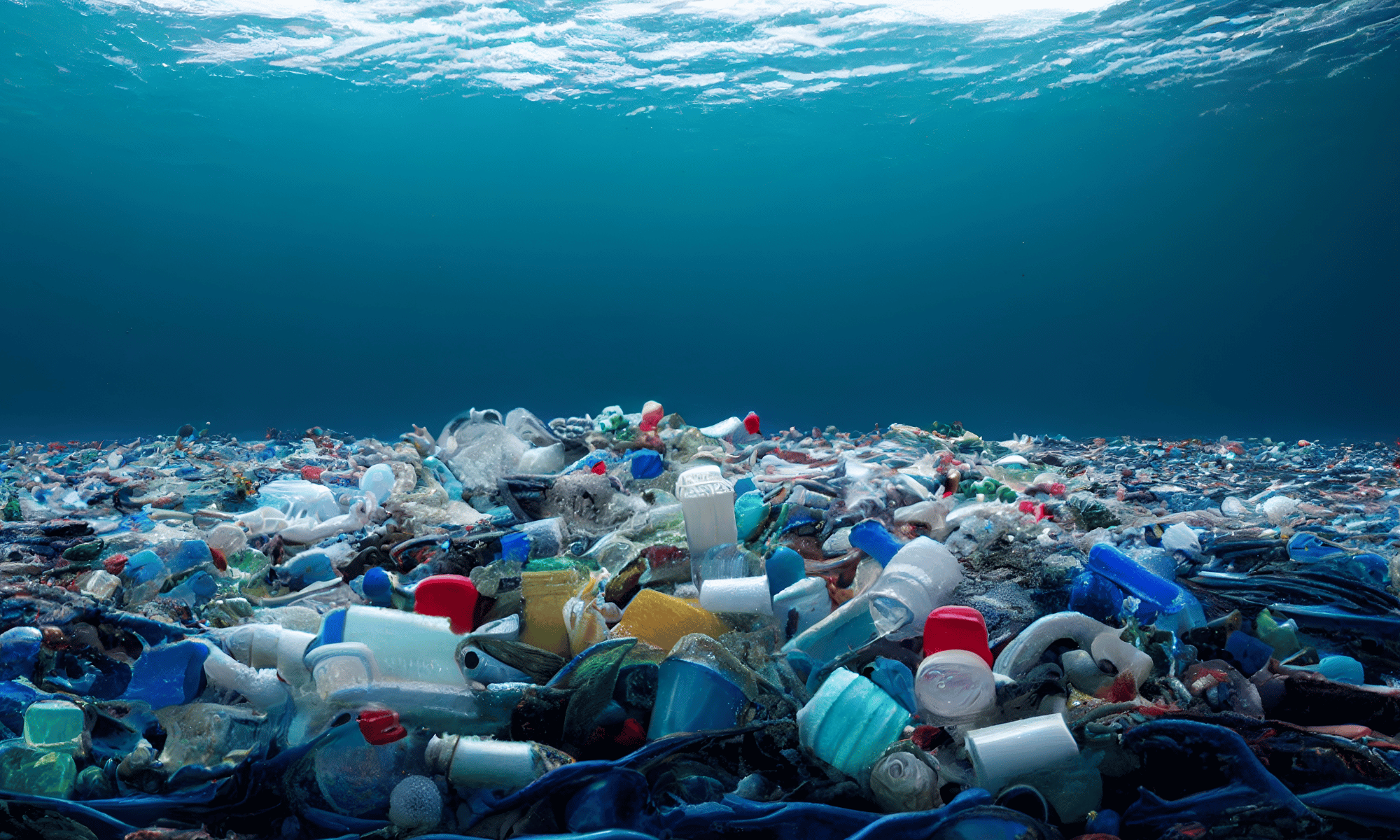
Plastic pollutes our oceans and rivers. It strangles wildlife. It takes hundreds or thousands of years to break down.
So, all we have to do is replace the plastic with something more environmentally-friendly, right?
That’s going to be a problem.
Are There Alternatives To Plastic?
The honest answer is yes. And no. Overwhelmingly no, at the moment.
It’s certainly possible to replace plastic at small scale.
Seaweed, corn starch, bioplastics, cellulose, mycelium, tencel, hemp… the list goes on. Alternatives that offer many of the same qualities as plastic, but without the devastating damage to our planet and invasion of our bodies.
Then reality bites. None of this is produced at large scale. And even if we inject millions into doing so, providing real green jobs and tangible benefits to all life on Earth… it’s just a drop in the plastic-infected ocean.
The world currently makes about 431 million tonnes of plastic a year. Every planet-friendly alternative combined accounts for just half of one percent of that.
Hope is on the horizon, because global capacity of bioplastic (made from plants) is forecast to roughly double by 2030, from about 2.3 million tonnes to 4.7 million.
But then… conventional plastic production is also climbing, and that’s heading toward 600 million tonnes.
Anyway, we’re not even using the small capacity we’ve already built. In 2025 more than a quarter of the world’s existing bioplastic-making capacity sat idle, because the demand and the economics just aren’t there yet.

Doesn’t Recycling Help?
We all like to think recycling helps. We drop a yoghurt pot in the green bin and feel satisfied with ourselves that we’re taking positive action, and that the problem is now handled. No need to worry.
Sadly, we’re being sold a lie.
The global number has barely moved in decades, so you might be familiar with it - only 9% of the world’s plastic waste is recycled.
The rest - 91% of the 431 million tonnes of plastic produced a year - is either landfilled, burned or dumped, depending on which part of the world you are being polluted in.
Burning is now the single most common method the world uses to dispose of plastic. Releasing the trapped carbon straight into our ever-warming air.
The United States is even lagging behind the pathetic global figure. Only about 5% of plastic is recycled in the US.
Britain, on the surface, looks to be progressing far more healthily - more than half of UK plastic packaging is recycled or recovered, says the official government line.
But “recovered” means it’s burned for energy, and the recycling figure counts plastic the moment it’s loaded onto a ship, and sent abroad. The UK government doesn’t care what happens to it after that.
The Big Plastic Count, run by Greenpeace and Everyday Plastic, put the real UK household plastic recycling rate at about 17% in 2024, - and the UK generates more plastic waste per person than any country on earth, except the United States.
What Happens To Our Recycling?
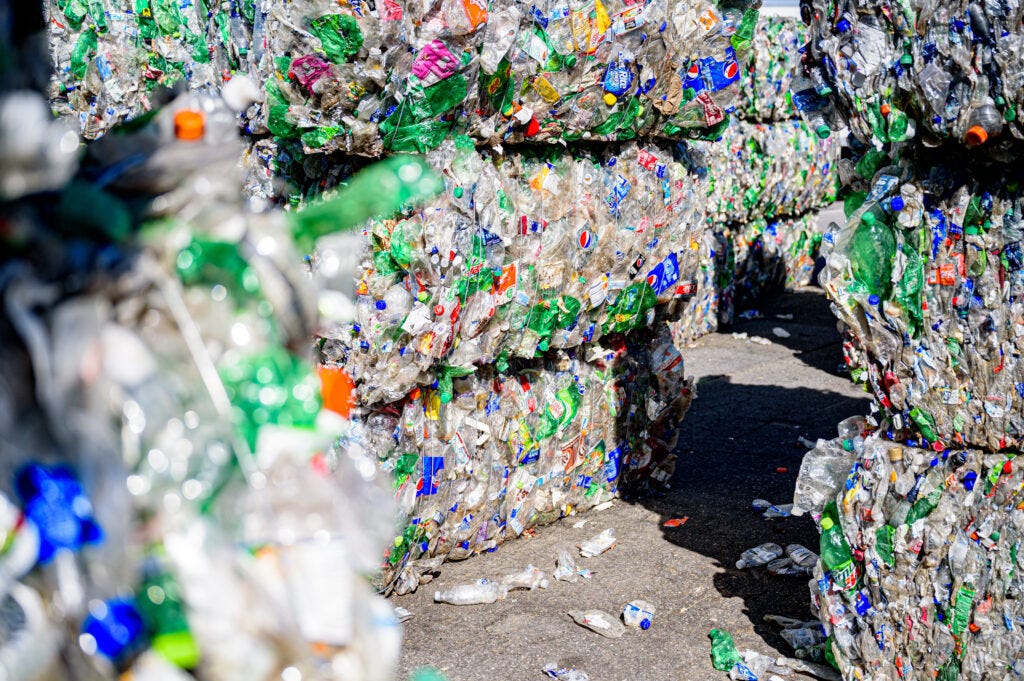
The majority of UK plastic collected for recycling is exported to Turkey and Malaysia - but investigators who track the plastic keep finding it dumped by the roadside or burning in open fires. “Recycled” often means “someone else’s problem.”
Even the plastic we do recycle has a short lifespan. Each pass through the recycling machine degrades the polymer, so a bottle becomes fleece or carpet, not another bottle - and after a cycle or two it’s already poor quality and sent to landfill.
The newest version of the recyling industry is “chemical” or “advanced” recycling. Much of this is energy-hungry, unproven at scale, and in practice often turns plastic into fuel to be burned, rather than back into plastic.
But I Use Compostable and Biodegradable Packaging….
These labels often amount to greenwashing. Most compostable plastic does not actually break down in your garden waste - or the hedgerow, or the sea.
It needs an industrial composter, which involves sustained high heat and controlled conditions - a facility most people and places simply don’t have.
‘Biodegradable’ can also be a misleading term. Agricultural mulch films, for example, have been found to continue shedding microplastics - and in cold climates the process stalls completely.

Surely There Are Some Worthwhile Alternatives?
There are, but some have issues. Ethical Disruption will never promote swapping fossil extraction for animal extraction, so it’s a big ‘no’ to films made from chitosan, which is extracted from the shells of crabs and shrimp. Also bioplastics made from casein, milk protein, and packaging from silk and gelatin.
Bioplastics are produced from plants, and are considered the main hope for an eco-friendly alternative. But scaling up the growing of sugarcane, corn, wheat, cassava and potato means using more farmland, more water and more fertiliser.
Cellulose works well. That comes from wood pulp, regenerated into films and moulded fibre. This is scalable but still relatively tiny as a contributor.
Then we have seaweed and algae, which require no farmland or fresh water, and grow fast.
Mycelium, grown from fungal threads on agricultural waste, makes a credible replacement for polystyrene packaging. Ramie is a silk replacement made from a nettle plant. Bagasse comes from sugar processing, while coconut coir is also growing in popularity.
But none of these alternatives are anywhere near ready to overthrow demand for plastic.
We’re stuck with this problem, forever it seems. As plastic is placed as an integral cog in the fossil fuels industry wheel, and as microplastics continue to threaten the health of all living species, we need to keep plastic front and central in any communication about climate and nature collapse.